Garden Center Links


Snow Blower Maintenance

It's time to get the snowblower ready to take on winter. A good first step is to review your owner's manual before performing any maintenance project, so you become more familiar with your specific unit.
Here's a handy list of tips to help you get your machine in shape for the season.
Tighten all nuts, bolts, screws and cords, as they may have become loosened by use last season. Do this at frequent intervals to keep the machine in safe, working condition.
Install a new spark plug. Disconnect the plug from the lead and remove it with a spark plug socket wrench. Install the new spark plug and secure it but do not over-tighten.
Change the oil. Let the engine run for a few minutes to warm up. Stop the engine, pull the drain plug and drain the oil into a container. Replace and tighten the plug. Refill the engine with the appropriate viscosity oil. Tip: before replacing engine oil, check your owner's manual for the recommended way to tilt the snow blower as it varies from model to model.
Drain any old fuel unless you used a fuel stabilizer last season. Fill the engine with fresh, ethanol-free fuel. Note: Gas with ethanol can make small engines fail, causing hotter operating temperatures, erratic running, and engine-part failure. Ethanol has inherent properties that can cause corrosion of metal parts, including carburetors, degradation of plastic and rubber components, harder starting, and reduced engine life.
TruFuel Engineered 4 cycle fuel is a high-octane, ethanol free, ready-to-use fuel with synthetic lubricants and advanced stabilizers that are specifically made for small engines. A great benefit to this product is use early and late in the season as this fuel is pre-stabilized, allowing you to keep it in your unit sealed until the next season. It is also a great emergency fuel as in the original sealed container, it has a shelf life of approximately 5 years. Perfect for a snow thrower or generator in a winter storm emergency.
Check and replace shear pins (shear bolts). 2-stage snow blowers have shear pins that protect the engine and transmission by breaking if the auger hits something too hard. With the snowblower on a level surface, look at the auger. Shear pins are used to connect the auger to the gear case, and are designed to break as a safety feature. If the shear pins are broken or missing, replace them. It's a good idea to have an extra set on hand for easy replacement during the season.
Lubricate wheel bearings, auger bearings, and impeller bearings. Lubricating moving parts periodically will make sure all parts turn and move correctly. To prevent snow clogs, use a non-stick spray or white lithium grease in the auger and snow chute to keep surfaces slippery and make it difficult for snow to stick.
Lubricate drive and chassis. This will help improve efficiency and increase the life of the snow blower. Different snow blowers require different lubricating agents so check the owner's manual to see which is indicated.
Check and replace belts as needed. Most two-stage snow blowers have two belts; one for the auger and another for the drive system. Remove the belt cover and look for cracks and wear on the belts. Replace as needed. Have an extra belt or two on hand in case of replacement during the season. Tip: Take a picture of how the belt is routed before you remove it, to help in placement of the new belt.
Inspect scraper bars and skid shoes. The scraper bar scrapes the snow off your driveway into the auger. Over time, scraper bars wear down and need to be replaced. If it wears down too much, the snow blower housing can be damaged.
Skid shoes are located on each side of the auger housing. They are the adjustable pieces that set the auger height to keep it from scraping the surface and picking up stones. Skid shoes should be replaced if they are worn. To replace, remove the bolts, take off the old skid shoe, and bolt on a replacement to the proper height. Some skid shoes are reversible, so you can just flip them over if one side is worn. Adjust the auger scraper and skid shoes so that the metal auger housing comes close to the surface without touching it.
Another part that can wear down over time is the rubber on the auger for a single stage snow thrower. Use the finger test. If a finger fits between the rubber and the snow blower's housing, new rubber should be placed on the unit to optimize performance.
Verify that the snow blower's control levers engage and disengage correctly and adjust them as needed.
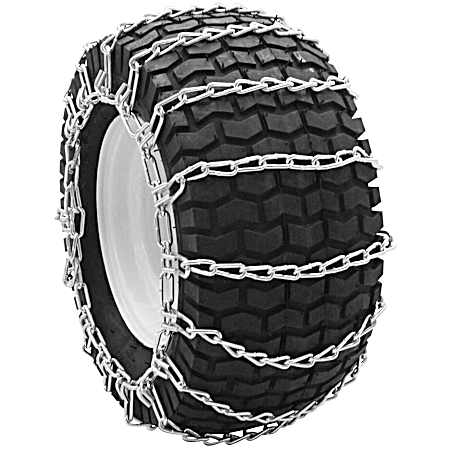
Check the tires for wear. If your snow blower has pneumatic tires, use a tire pressure gauge to check the air pressure.
Always clean the snow blower after use. Your machine will be covered in snow after its use, and if you leave it like that, you risk the ice and snow hardening around the auger and impeller while it's stored in your garage. Buildup of this snow and ice may impede its ability to function next time you need to start it up. Snow that has salt mixed in could also corrode the metal. So once the snow blower is shut off, wait a few moments and then use a long-handled brush and the clean-out tool to clear off snow and ice that's both inside and outside the machine.