Garden Center Links


How To Prevent Ice Dams

When those first blustery days of winter come, you might be thinking about buying a new coat, winterizing your car or even taking your next ski vacation. If you’re like most, you probably won’t be thinking about how the coming snow could cause major damage to your home.
Ice dams can form without your knowing, and once they do they can be very destructive, resulting in leaks, collapsed gutters or even a caved-in roof.
People on the coast worry about hurricanes, and those who live by rivers buy flood insurance, but far too often, those of us who live in the snowier regions of the country fail to think about the potential destruction that can come from an ice dam forming on our roofs.
How the dams form
The best way to deal with an ice dam is to not have to deal with it. Once formed, it can be incredibly difficult to remove, and if you do manage to remove the dam, it may have already caused significant damage to your home.
Therefore, prevention is key. And a big part of preventing ice dams involves knowing how they are formed.
Here, the biggest culprit is a warm roof.
You probably remember from your grade-school science classes that heat rises. While you’re warming up in your cozy home, the heat ascends toward the ceiling. If you don’t have proper insulation, it then escapes through the ceiling and warms up your roof in the process.
This interior heat causes the snow to melt and trickle down the roof. Now, if it weren't so cold outside, this wouldn’t be much of a problem. The meltwater would simply run into the gutters and off your house. But in cold temperatures, this meltwater runs down to the overhanging eaves. Because they are not directly over a heated house, they are cold enough to cause the water to refreeze. This is basically how icicles and ice dams form.
The more snow there is on your roof to melt, the more you will see it refreezing, causing ice to form on the eaves. Gradually the ice will build until one day you go out there and notice a big bulge on the edge of your roof.
Keep a cold roof
When it comes to ice dams, a hot roof is your enemy. With this in mind, you need to do your best to keep your roof cold. The most important step is to properly insulate your attic and your roof. Three primary ways of doing this include:
Seal your attic
Many homes lose about one-third of their heat energy by way of their attic. Air leaks, cracks around lighting fixtures, drafts, chimneys and pipes all contribute to a slow but dramatic loss of heat.
Take the time to crawl up there with some foam to caulk and seal up those leaks. Even if you think your attic is perfectly sealed, you may be surprised by what you find.
Insulate and close off your attic
While you’re up there, make sure you have at least 12–14 inches of fiberglass or cellulose insulation in your attic. Blown-in insulation does a better job of forming around the rafters and small pockets to keep the warm air trapped inside. Once you’ve made sure everything is properly insulated, close up your attic for the season with an insulated stair cover.
Flush out the hot air
Installing a roof or an attic vent allows the warm air to escape while pulling in the cold air from outside. For size, you’ll want to estimate one square foot of ventilation per 300 square feet of attic area. Though installing a vent takes some know-how and not every roof can be properly fitted with a vent, having one, along with sealing and insulating your attic, is the best way to keep your roof cold and prevent ice dams.
Other methods
If for whatever reason you’re unable to doctor up your attic for the winter, there are other proactive measures you can take to prevent ice dams from forming.
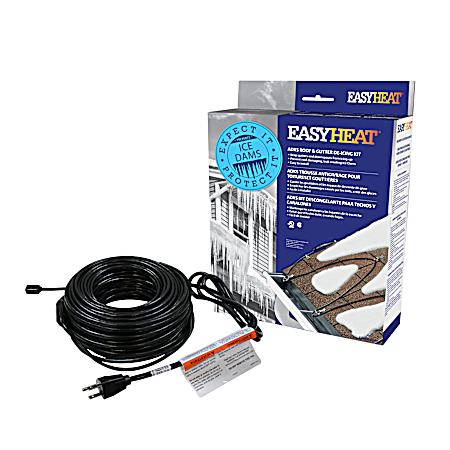
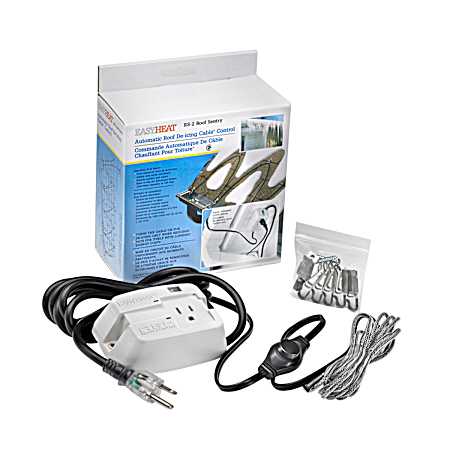
- Install heat cables. Just like you put up holiday lights for the season, you can install heating coils on the edge of your roof to prevent ice from forming. While you can install these around the perimeter of your home, you can also install them in particularly ice-prone areas, such as at the end of a roof valley.
- Use a snow rake to clear your roof. After a snowfall, go out with a snow rake and pull the snow off your roof. These rakes usually telescope out to 16 feet or so and offer a much safer alternative to crawling up on the roof to shovel off the snow.
As we said before, prevention is by far the best way of dealing with ice dams. Sealing or installing extra insulation, along with doing some roof scraping after a snow fall, can help you prevent a damaging ice dam from forming.