Garden Center Links


Everything You Need to Know
About Lawn Diseases
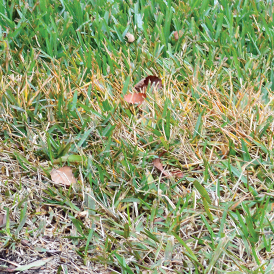
The feeling of lush green grass under your bare feet is one of the best in the world, but not when your lawn is full of disease. Each square foot of grass contains anywhere between 500 and 1,000 individual grass plants, all of which require adequate water, fertilizer, well-drained soil and proper mowing. If any of these factors are missing, your grass might become stressed and more sensitive to disease.
Many lawn diseases can affect your yard in the cool weather of spring and fall, but knowledge is the key to prevention. Lawn disease comes in many forms — from brown patches to slimy spots — and it strikes, it can be hard to heal. This guide will tell you all you need to know to keep your lawn healthy and free of disease.
What causes lawn disease?
Your lawn is naturally full of fungi and spores, but in the right conditions, grass fungus can break out into a harmful disease, spreading throughout your lawn. Here are some of the most common causes of lawn disease:
- DroughtMowing too low to the ground
- Compacted soil
- Over fertilizing
- Cool temperatures and humidity
What do lawn diseases look like?
Your lawn is naturally full of fungi and spores, but in the right conditions, grass fungus can break out into a harmful disease, spreading throughout your lawn. Here are some of the most common causes of lawn disease:
- Drought
- Mowing too low to the ground
- Compacted soil
- Over fertilizing
- Cool temperatures and humidity
What do lawn diseases look like?
If you suspect your lawn may have a disease, here's what you should look for:
- White, yellow or brown patches
- Frayed or discolored blades
- Patches of slimy-looking grass
- Gray, black or pink powdery layer over grass blades
How can you prevent lawn disease?
Preventing lawn disease can be as simple as changing up your lawn-care practices. Unhealthy and frazzled lawns are much more likely to develop disease, so give your lawn a little extra TLC so it's better equipped to handle soggy or humid conditions.
Check for problems regularly
As a rule of thumb, you should carefully inspect your lawn every week so you can act quickly when a problem arises. Most lawn diseases start out as small patches that spread over time. If the damage is widespread, it could be too late to take action.
Test the soil
A soil test is one of the best things you can do to identify any lawn problems. Nutrient deficiencies make your grass weak and more susceptible to disease, so it's important to make sure your lawn is strong and healthy. Soil test kits are easy to find and you can do it yourself.
Aerate
Aerating your lawn once every year will loosen the soil and allow air to pass through more easily. When the soil becomes too compact, however, air circulation is limited and lawn fungi can grow and thrive in the moist conditions.
Plant the right type of grass
Make sure you're planting the right type of grass for your climate. Grass planted outside its normal zone won't grow as strong, making it more vulnerable to disease. Additionally, some grasses are more susceptible to specific diseases than others, so it helps to overseed with a disease-resistant grass. For example, many bluegrass varieties are fungi-resistant.
Feed your lawn
After you identify any nutritional deficiencies in your soil, you'll need to make sure your lawn is nourished with the correct fertilizer. Find a fertilizer that works with your grass type and delivers the nutrition it needs to grow strong and disease resistant.
Water wisely
When grass blades have too much moisture, disease can strike. To keep the blades dry, water only when needed. Watering deeply into the soil allows you to go longer in between watering sessions. The best time to water is between 6 and 10 a.m., which gives the grass enough time to dry before the sun goes down. When water sits on blades all night long, diseases can easily erupt.
Use a fungicide
If you catch a brown patch, or a yellow or moldy-looking spot in your grass, apply a fungicide made especially for lawns. Organic fungicides are either non-toxic or low in toxins, and they are usually safe for kids and pets who play in the yard. Chemical fungicides are often difficult to apply safely, so be sure to read the directions carefully. Some fungicides control a broad spectrum of diseases while others only affect a few. Determine your lawn's needs and read all available labels before purchasing a product. Fungicides won't help your grass regrow, but they'll take care of the fungal spores while you work to improve your lawn-care practices.
Find an alternative to grass
If all else fails, consider changing up your outdoor space. When grass just isn't an option, you can naturalize the area with groundcovers, woodchips or flower beds that will require less maintenance and relieve some of your lawn-care duties.
The best way to prevent lawn disease is to plant the right type of grass and take care of it. Follow these tips to keep your lawn healthy and green throughout the seasons.