Garden Center Links


Lawn Maintenance: Aeration

Many aspects of lawn maintenance contribute to a soft, green carpet of grass that invites bare feet and picnics. Fertilizing, watering, and mowing are among them. However, one part of lawn care that many overlook is aeration. Here, we explain what aeration is and how it helps maintain a healthy lawn.
What Does Aeration Do?
Aeration, as the name indicates, lets air into soil. It battles compaction and oxygen starvation. Normal traffic and mowing help compact soil underneath a lawn. This fills in pockets of air and hinders oxygen from getting in. Aeration loosens compacted soil and creates space for air, microorganisms, water penetration, and root growth.
How Often Should You Aerate?
Most lawns benefit from aeration at least once a year. Depending on the amount of traffic your lawn suffers, you may want to increase it to twice per year, in the spring and in the fall. This is especially true if your lawn is prone to dryness, yellowing, and thinning. It could be a sign that water, fertilizer, and air is not getting into the soil enough.
How to Aerate
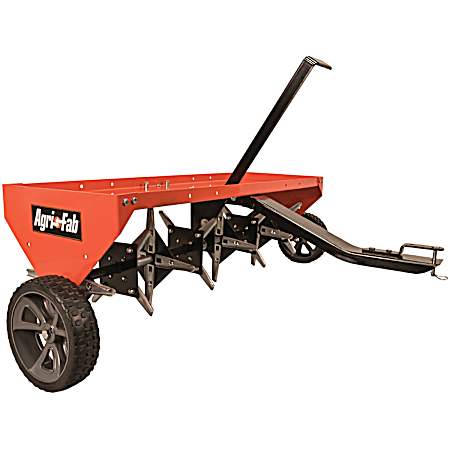
The day before you aerate your lawn, give it a good, deep soak. This will aid in penetration. Mark any sprinkler heads with flags or rocks, or anything that will draw your attention so you don't damage them. Depending on the size of your lawn, you can use a hand-held aeration tool, or one that attaches to a ride-on mower. After aeration is the best time to feed or fertilize the lawn.
Aeration is necessary for a healthy, nourished lawn. It's a simple, yet important part of maintenance.