Garden Center Links


What should be planted by now?

The danger of frost is over (in Wisconsin, it's usually around Memorial day), and you have your garden planted. Did you know there are many vegetable seeds and plants that can be placed in June and still have time to flourish?
By now, you should have planted most of your vegetables. Cold-loving plants such as broccoli, cabbage, cauliflower, kohlrabi, radishes, carrots and peas should have been in the ground for a few weeks. Spinach, lettuce and chard seeds should already be poking through the soil. Onion and potato sets are best planted mid-late April. By late May, tomato plants, as well as seeds for squash, melon, corn, and pumpkins. Now is the time to plant cucumber from seeds, if you haven't already done so.
When planning your garden, always select cultivars that are appropriate for your area's hardiness zone. Seeds such as kale, collards, endive, rutabaga and Chinese cabbage will grow well when planted by mid-June. The back of your seed packet will let you know the number of days to maturity for each vegetable for your zone's growing season. Knowing the date of the projected first frost in your area will help you determine how long your plants have to flourish. See: Wisconsin Frost Almanac.
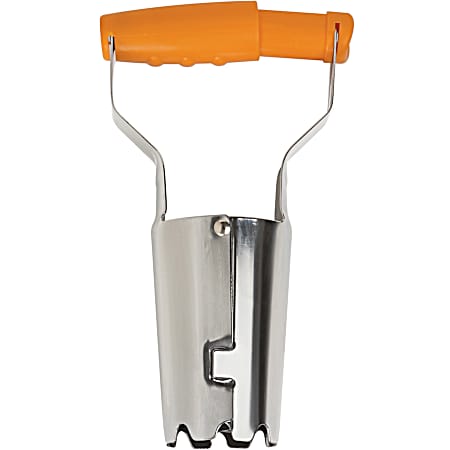
By purchasing plants rather than seeds, you'll get a jump-start on an earlier harvest. Eggplant transplants will enjoy sinking their roots into June's warm soil, as does okra. Pepper plants are very susceptible to cold weather and do better when they're planted in the constantly warm soil of early to mid-June. You can purchase potted plants of vine crops like cucumbers, squash and melons now too, but take care when transplanting, as the root systems are very delicate. This transplanting trowel is very useful for setting new plants in the garden. Be consistent with your watering and fertilization, especially with new transplants, so that the roots can take hold and get proper nourishment.
Onion and scallion seeds, when planted in late summer, will give you a nice crop of green onions in the fall. The best time to plant garlic from cloves is fall, about 6 weeks before the ground freezes. The cool conditions allow the roots to establish before winter. The garlic will be ready to harvest next summer.
Herb plants can go out into the garden now too. Basil especially, loves warm weather. Rosemary, oregano, thyme, parsley and other herbs benefit from regular snipping to keep them thriving into the fall. Transplant mint now, but be sure to sink the planted pots into the ground to keep the roots from spreading throughout the garden.
A great way to maximize your harvest and use your garden space wisely is to practice succession planting. One way to accomplish this is to follow the early season plants that have just been harvested (such as radishes, baby greens and peas) with later season crops (sweet corn, beans, and beets), planted in the same space. An alternate method of succession gardening is to sow another row of the same seeds you have already planted every 2 - 3 weeks until mid-July. Plan ahead you'll have to save room after your first sowing for the second and third plantings. This will extend your harvest and guarantee a steady supply of fresh vegetables. Good candidates for this procedure include bush beans, carrots, corn, cilantro and beets. Greens like mesclun (a mix of salad varieties) and lettuce can be planted in succession early, but these seeds do not germinate well in hot weather. Covering your leafy plants with a shade cloth (allowing some light to pass through) or planting them between taller crops will keep the plants cooler and extend the growing season. Plan to sow a second planting of greens in late summer, right before temperatures begin to cool.
If there's a chance of a premature cold snap, protect your delicate plants with a garden frost blanket designed for the purpose.