Garden Center Links


Pickling 101
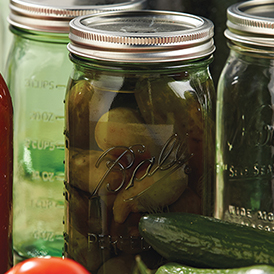
You might not realize it, but when you bite into a pickle, you’re eating one of the oldest forms of processed foods there is. It’s believed that the process for pickling fruits and vegetables began over 4,000 years ago, which makes it about as old as human civilization itself.
The basic pickling process involves placing some sort of fruit or vegetable in a salty brine or acidic liquid and keeping it there until preserved and no longer prone to spoil.
Before the age of refrigeration, pickling was one of the primary ways of preserving food. Almost every region of the world had their own methods and favorite foods to pickle.
Pickling goes far beyond the realm of the humble cucumber. And at one point or another, virtually everything edible has been pickled.
The endless possibilities of modern pickling
Of course, over a few centuries, the recipe for pickling has changed quite a bit. By far, the most popular kind of pickle is the pickled cucumber, which has been given the eponymous title of “pickle.” And while pickling a cucumber is a good place to start, there is no reason why you should limit yourself to these delectable spears.
Whether you want to pickle mushrooms, herring, beets, peppers or ginger, proper pickling begins with the brine. Just like you need flames for barbecue or sugar for a cake, so too do you need brine to make pickles.
The basics of a pickle brine
At its most basic, a pickling brine consists of white vinegar (Mrs. Wages sells a variety) that is specially formulated for pickling) and pickling spices.
Now, that last part is where things get interesting. The spice part of the equation is where you can really exert some creativity. People spend years experimenting with different recipes and spice combinations, searching for that perfect pickle brine.
You don’t need to do this. A far easier way, and one that will allow you to avoid those unfortunate flavor combinations, is to pick up a Ball & McCormick Dill Pickle Recipe Card. This handy recipe card includes dill seed, minced garlic, dill weed and mustard seed in perfectly portioned packets. It’s a simple and delicious way to make a 2-quart jar of pickles.
Now, if you really want to take it easy and just dabble in the art of pickling, you can simply use any leftover brine from the pickles you bought from the store.
Make your own pickling brine
The general recipe for a brine says that for every pound of vegetable, mix the following:
- 1 cup vinegar
- 1 cup filtered water
- 1/2 cup sugar
- 1 tablespoon Kosher salt
- 1 tablespoon Ball Pickle Crisp Granules
The last ingredient is really essential; after all, no one likes a mushy pickle. Traditionally, picklers have used pickling lime, which is cumbersome and dangerous because if improperly used, it can cause botulism. Pickle granules are far easier to use and don’t come with any such risk.
Now, in addition to the brine base, you can add any variety of herbs and spices: dill(of course), red pepper flakes, garlic and a whole lot more. To alleviate the guesswork, ready-made spice packets such as Mrs. Wages Quick Process Zesty Bread & Butter Pickles have the perfect balance of the right spices to give you the kick and flavor for the perfect bread and butter-style pickle.
Packing the pickles
This step should be pretty self-explanatory: You put your veggies in a jar, add the brine and after a day or two, voila, you have pickles.
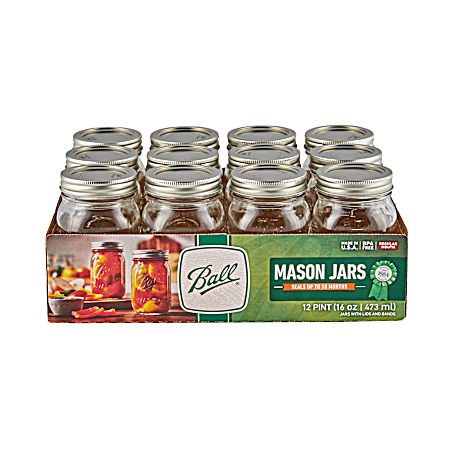
You need to be sure you use the right jars, ones that have heat-resistant, airtight lids and that are made out of heat-safe glass. Basically, any kind of canning jar will work.
Cut your veggies or fruit appropriately so they fill the jar, and leave a little headroom.
In a large saucepan, bring the brine and all the ingredients to a boil and pour it into the veggie- or fruit-filled jars. Screw the lids on and let them cool down for an hour or so. Once they’ve reached room temperature, place them in the refrigerator.
Tips for a crispier pickle
Anyone who has spent any amount of time pickling has run into a common problem: Mushiness.
Achieving a crisp, delicious pickle is part art, part science. If you can't make headway around your mushiness problem, try one of these five solutions:
- Use small, firm cucumbers.
- Pickle your cucumbers immediately after you pick them.
- Cut off the blossom end of the cucumber. It contains enzymes that can ruin the crisp factor.
- Soak cucumbers in ice water for an hour to firm them up.
- Add black tea leaves. No joke here. A half teaspoon of black tea can work wonders.
Pickling is fun, and as you probably know, the end product is delicious. It’s an easy hobby to take up, and you’ll be surprised at what you can concoct!