Garden Center Links


Above the Ground Vegetables

In the first week of June, you should have most of your vegetable transplants and seeds in the ground. There's still time to sow seeds for Chinese cabbage, collards, cucumber, endive, kale, and rutabaga. The soil is warm, you've amended the soil with plenty of organic matter. Now it's time to keep the garden organized!
The first, most important task is to keep track of the variety and location of each seed or transplant you just planted. Was that a Roma tomato or a Mortgage Lifter heirloom? Are those radishes or carrots in that row? Eliminate guesswork with good organizational practices. Before the seeds sprout and the rows are visible, you should mark the location of them. Staking both ends and running a length of jute or cotton string between the stakes will mark the rows. Label each end with a waterproof plant marker. After the seedlings pop up and the row is visible, the stakes/string can be removed.
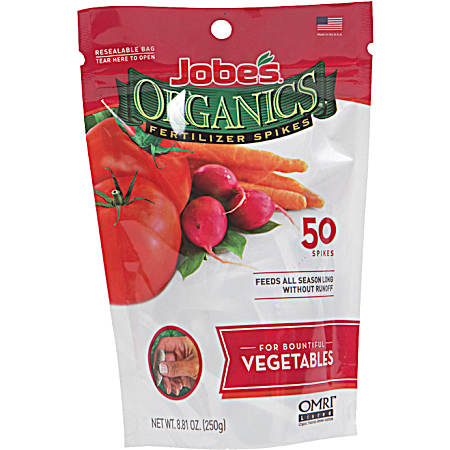
Once transplants are settled in the ground, add a little nutrient boost with a light application of fertilizer.
Vine-type fruits and vegetables such as tomatoes, melons, cucumbers, pole beans and squash will benefit from staking and caging. Providing upright support allows air to circulate better through the plants, reducing disease. Plus, allowing your plants to grow upward will give you more space in the garden and make harvesting much easier. Tomatoes should be caged when they're planted, and as the plants grow, train the vines to stay inside of the cage. Add mulch around the bottom of the plant after caging. Today, there are many sizes and colors of cages from which to choose. Coated wire cages allow you to add an unexpected burst of color to your garden.
Cucumbers can be grown vertically using a trellis. Stretch trellis netting between two sturdy side supports and horizontal headers to allow cukes, melons and squash to grow toward the sky, and you'll appreciate being able to stand while picking them. Support pole beans by positioning 6-foot or higher stakes in a tripod position. Sink 3-4 stakes a few feet apart in a square or triangle position in the garden, then pull the stakes together at the top to form a teepee. Secure with wire or twine. Plant a few pole bean seeds around the base of each stake, and they'll grow upward on the pole. Depending of the space between the stakes at the base, you may want to weave a wire between and around the stakes a foot or above the ground to allow the young plant tendrils something to grab onto something. You can use bamboo stakes, branches or sturdy coated metal stakes.
Even with all the staking and trellising, there is still a fair amount of work that will require you to spend time on your hands and knees. When your rows begin to emerge, you'll need to thin the seedlings as they grow. You should begin thinning as soon as the first true leaves appear. This is especially important for beets, radishes, turnips, carrots, and lettuce, because the developing plants will need space to spread out, above and below the ground. Remove any weeds as soon as they become visible. A foam kneeling pad will cushion your knees, provide a barrier from mud, and hose off easily when your chores are finished.
Thinning seedlings and getting rid of weeds helps lower your water bill too. Your garden plants won't be competing for water with the weeds and unnecessary plants, so more rain water will be retained in the soil. When do need to supplement rain with watering, remember that one heavy, even watering is preferable to frequent shallow drenching. Irrigating early in the day will help prevent disease and lessen the chance of evaporation during hot midday hours. If you haven't already mulched the garden, doing it soon will help retain moisture and water in the soil.
June is a great time to start a compost pile. Recycling yard waste and table scraps will reduce material added to landfills. At the same time, composted materials vastly improve the health of your soil, adding nutrients and reducing the need for water. Composting can be done in almost any yard in a simple loose pile, by constructing a simple bin of wood and chicken wire, or by purchasing a tumbling composter. Feed your pile with a mixture of two parts brown material to one part green. Examples of brown materials include leaves, shredded newspaper and cardboard, straw, and sawdust. Green material can be grass clipping, eggshells, vegetable and fruit scraps, coffee grounds, discarded (not diseased) garden plants, and weeds (if they have not yet gone to seed).
Do not use meat, dairy, eggs, grease, or pet waste in your compost pile. Once you have your material gathered, add some garden soil to add microorganisms. As the materials decompose, the pile will heat up. Turn the pile (a pitchfork is recommended) every week or so to increase air circulation and decomposition. A healthy pile should be ready for use in 4-5 months, but you can speed up the process by using a compost starter.
Persistence now will pay off at harvest time. Remember that continual clean up will reduce the chance of disease and pest infestations. Garden tools such as hoes, shovels and pruners should be cleaned frequently to reduce the risk of spreading disease. Between uses, simply dip your tools in a light solution of bleach and water and rinse thoroughly.