


LAWN & GARDEN SUPPLIES
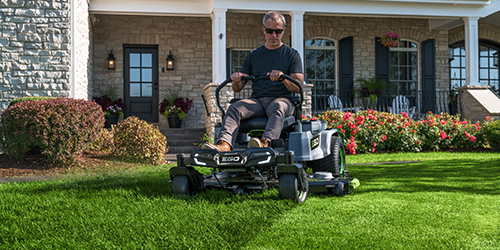
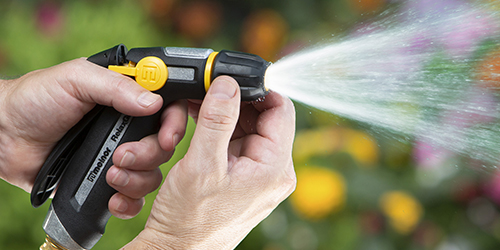

Shop by Category
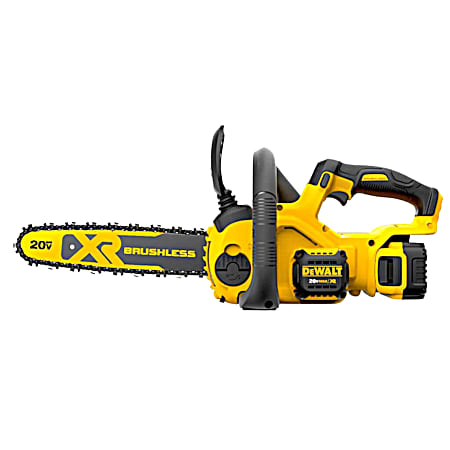
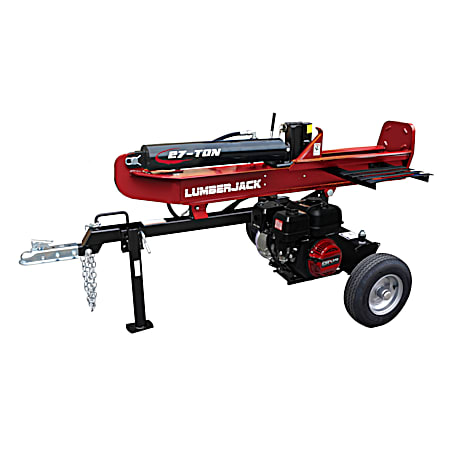
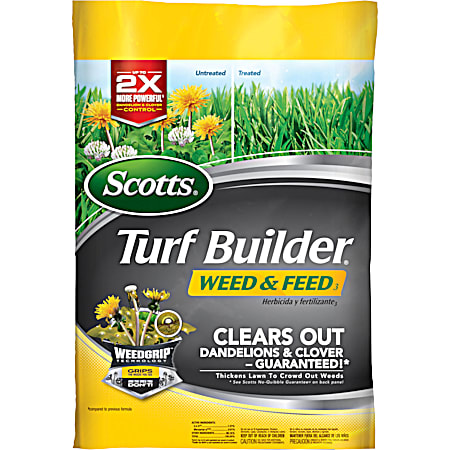
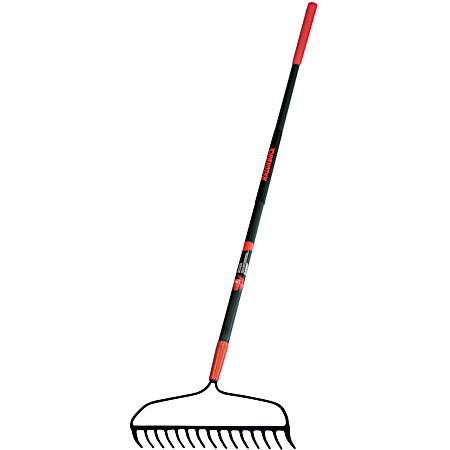
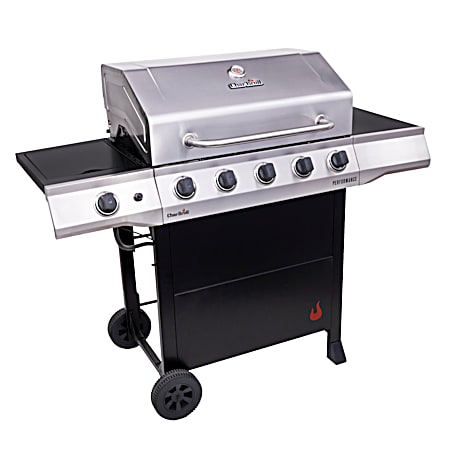
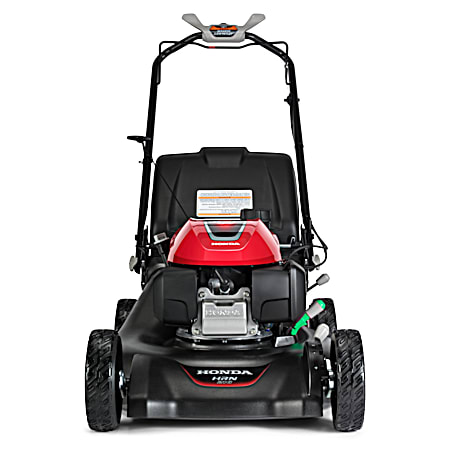

Shop by Category
Shop Trending Categories
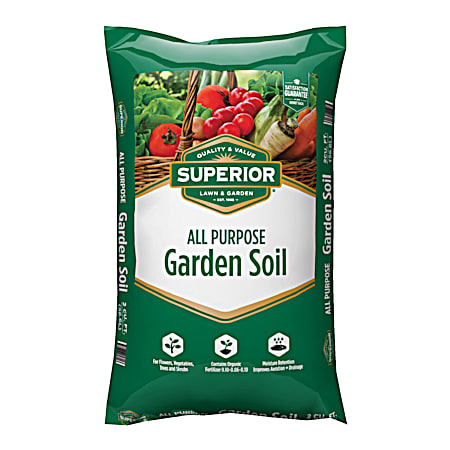
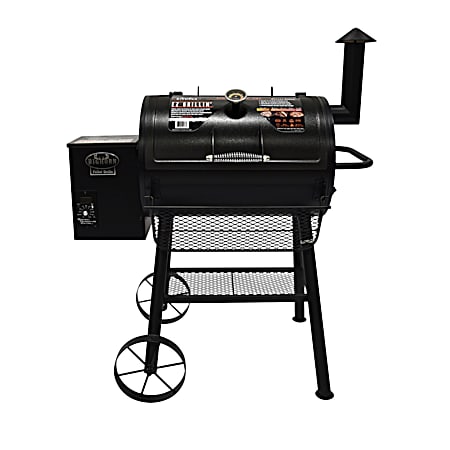
Shop Lawn & Garden Best Sellers
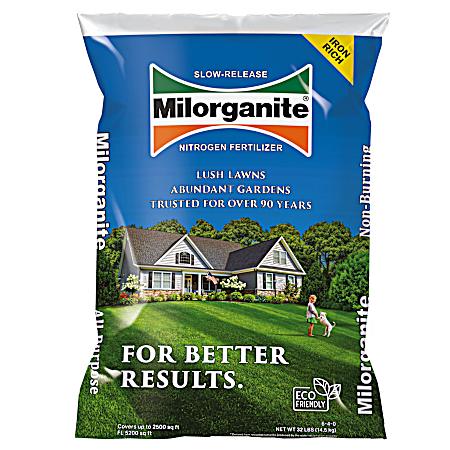
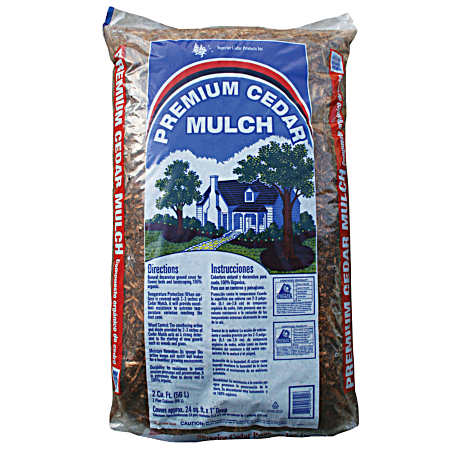

 Free $100 gift card with purchase


Featured Brands


Featured Brands





Read More +
Lawn & Garden Equipment and Supplies
Keep your property looking its best year-round with Fleet Farm's complete selection of lawn mowers, outdoor power equipment, garden tools, and lawn care supplies. From zero-turn mowers and push mowers to grass seed, fertilizer, and everything in between, we stock the trusted brands Midwesterners rely on — Craftsman, Husqvarna, Milwaukee, EGO, Ariens, and more. Quality equipment at prices that work as hard as you do.
Your Complete Lawn and Garden Headquarters
Whether you're maintaining a small yard or managing acres of property, Fleet Farm has the equipment and supplies to keep your lawn healthy and your garden thriving. Our lawn and garden department brings together professional-grade power equipment, essential hand tools, and all the supplies you need to tackle every season's challenges—from spring planting to fall cleanup.
We carry the brands that have earned their reputation in the field. Our selection includes everything from compact push mowers for suburban lawns to powerful zero-turn mowers for larger properties, plus all the attachments and accessories to keep your equipment running strong.
Lawn Mowers and Riding Equipment
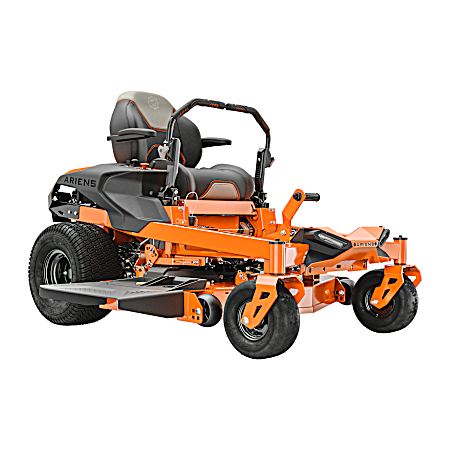
Zero Turn Mowers
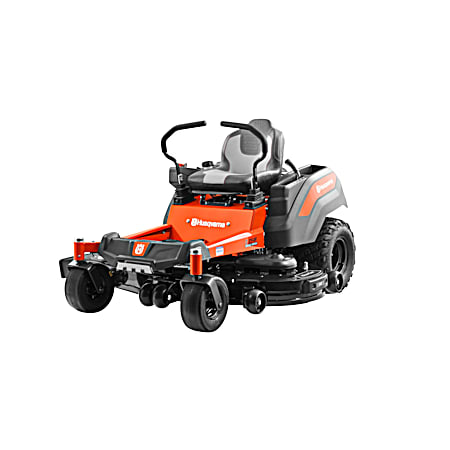
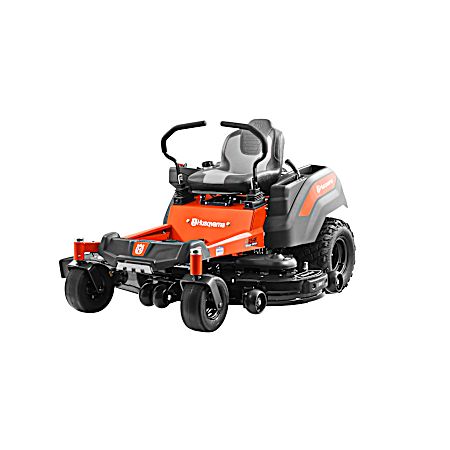
Zero-turn mowers deliver unmatched maneuverability and cutting speed for properties with obstacles, landscaping features, or large open areas. The independent rear wheel control lets you pivot in place, dramatically reducing trimming time around trees, gardens, and flower beds. Commercial-grade models feature reinforced decks, high-capacity fuel tanks, and powerful engines (typically 20-27 HP) that handle thick grass and extended runtime. Residential zero turns balance performance with affordability, offering cutting widths from 42 to 54 inches.
Look for features like adjustable cutting heights (1.5 to 4.5 inches), comfortable high-back seats for long sessions, and easy-access service points. Models with fabricated decks last longer than stamped decks under heavy use. Cub Cadet and Husqvarna zero turns combine speed (up to 8 MPH) with precision cutting.
Riding Mowers and Lawn Tractors
Riding mowers and lawn tractors turn large-scale property maintenance into a manageable task. Lawn tractors typically feature front-engine designs with cutting decks ranging from 42 to 54 inches, making them ideal for properties of 1 to 3 acres. They accept attachments like baggers, mulch kits, and tow-behind spreaders, extending their usefulness beyond mowing season.
Engine power matters—15 to 25 HP handles most residential needs, while heavy-duty models push higher for thicker grass and hillside terrain. Hydrostatic transmissions provide smoother speed control than manual gear drives, and automotive-style steering beats lever steering for comfort during extended use. John Deere lawn mowers set the standard for durability, while Craftsman lawn mowers deliver proven reliability at competitive prices.
Push Mowers
Push mowers remain the practical choice for smaller yards (under half an acre), offering simplicity, lower maintenance costs, and easier storage than riding equipment. Gas-powered models with self-propelled drive take the effort out of slopes and thicker grass, while electric and battery-powered options eliminate gas storage and reduce noise.
Cutting width determines efficiency—21-inch decks work for most suburban lots, while 22-inch models reduce passes on larger lawns. Variable speed self-propulsion matches your walking pace, and rear-wheel drive handles hills better than front-wheel drive. Steel decks outlast plastic in rocky conditions. Troy-Bilt push mowers combine rugged construction with user-friendly features, and many models offer 3-in-1 capability: bagging, mulching, or side discharge.
Outdoor Power Equipment
String Trimmers and Weed Eaters
String trimmers (weed eaters) finish what the mower can't reach—edges along fences, around posts and mailboxes, and in tight corners. Gas-powered models deliver unlimited runtime and more cutting power for thick weeds and overgrown areas, typically featuring 25-30cc engines with straight or curved shafts. Straight shafts provide better reach under decks and fences, while curved shafts offer easier handling for general edging.
Battery-powered trimmers eliminate pull-starts and maintenance while delivering enough power for routine trimming. Look for models with bump-feed or automatic line advancement to avoid constant manual feeding. Adjustable handles and shaft length ensure comfortable operation, and split-shaft designs accept multiple attachments (edger, pole saw, brush cutter) for year-round versatility.
Lawn Edgers
A lawn edger creates clean, defined borders between lawn and hardscape—driveways, sidewalks, and garden beds. Walk-behind edgers with wheels provide straight, consistent cuts along concrete or asphalt, while string trimmer-style edgers handle curved beds and tight spaces. Gas-powered edgers cut through established edges and compacted soil with 8-10 inch blades, while electric models maintain already-defined edges with less effort.
Depth control (typically 1 to 2 inches) determines how deep the blade cuts, and adjustable blade angles let you create precise V-shaped trenches that prevent grass from creeping back. For professional results, use an edger in spring to define borders, then maintain with a string trimmer throughout the season.
Leaf Blowers
Leaf blowers clear driveways, sidewalks, and patios in minutes, and handle everything from spring pollen to fall leaf piles. Handheld models balance power and portability for most residential properties, while backpack blowers reduce fatigue during extended use on larger lots. Air speed (measured in MPH) moves light debris, but air volume (CFG—cubic feet per minute) determines how much material moves at once.
Gas blowers deliver the highest power (up to 700 CFM and 200+ MPH) for wet leaves and heavy debris, while battery-powered models provide quieter operation with zero emissions. Variable-speed triggers conserve battery life and prevent mulch from scattering in flower beds. Two-speed models offer low speed for decks and patios, high speed for open areas and curbside leaf piles.
Hedge Trimmers
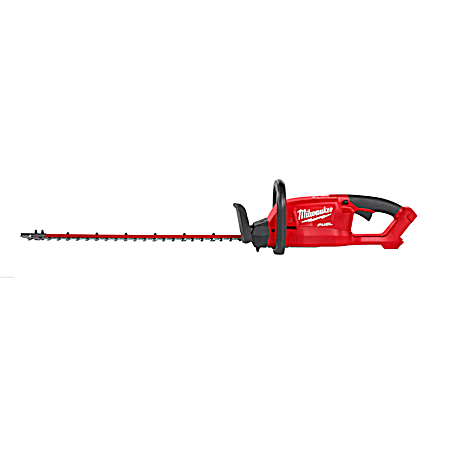
Hedge trimmers maintain the shape and height of bushes, shrubs, and ornamental plants. Blade length (16 to 24 inches) determines reach—longer blades cut more per pass but weigh more and require stronger control. Dual-action blades (where both blades move) reduce vibration and deliver cleaner cuts than single-action designs, important for thick branches.
Tooth spacing matters: ⅝-inch gaps handle most shrubs, while ¾ to 1-inch spacing cuts thicker branches (up to 1 inch diameter) without jamming. Rotating handles let you trim vertical and horizontal surfaces without awkward wrist angles. Battery-powered models eliminate extension cords for safer operation on ladders and around landscaping, while gas models provide unlimited runtime for larger properties with extensive hedge rows.
Lawn Care Supplies
Grass Seed
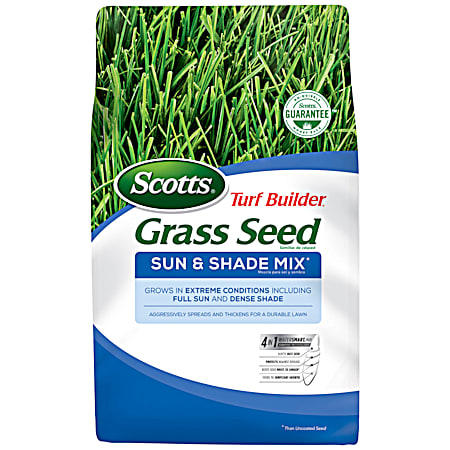
The right grass seed determines lawn success. Kentucky bluegrass establishes slowly but creates dense, attractive lawns that self-repair, making it ideal for high-traffic areas. Perennial ryegrass germinates quickly (7-10 days) for fast coverage and erosion control. Fine fescue tolerates shade and drought, perfect for areas under trees or low-maintenance lawns. Most quality seed blends combine multiple species to balance quick establishment with long-term resilience.
Seed selection depends on conditions: full-sun mixtures emphasize bluegrass and ryegrass, while shade blends feature fescue. Overseeding existing lawns calls for faster-germinating varieties to fill in thin spots, while new lawn installations benefit from comprehensive blends. Apply seed in early fall (late August through September) when soil temperatures favor germination but weeds slow down, or in spring (April-May) as a second option.
Lawn Fertilizer
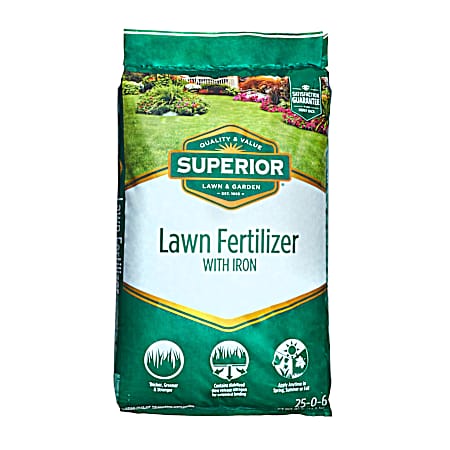
Lawn fertilizer provides the nitrogen, phosphorus, and potassium that grass needs to grow thick, resist disease, and stay green. The three numbers on fertilizer bags (like 28-0-3) represent NPK percentages—nitrogen promotes leaf growth and color, phosphorus supports root development, and potassium improves disease resistance and cold tolerance.
Quick-release fertilizers green up lawns in 3-5 days but require more frequent applications (every 4-6 weeks). Slow-release formulas feed grass for 8-12 weeks, reducing application frequency and preventing burn from over-fertilization. Combination products add weed control or insect prevention, addressing multiple needs in one pass. Apply fertilizer in early spring to jump-start growth, late spring after mowing 3-4 times, summer (optional) for heat stress, and fall to build root reserves for winter.
Lawn Aerators
Lawn aerators pull small plugs of soil from your lawn, relieving compaction that prevents water, air, and nutrients from reaching grass roots. Core aerators (also called plug aerators) remove 2-3 inch plugs spaced 2-4 inches apart, creating the most effective soil improvement. Spike aerators simply punch holes without removing soil, offering minimal compaction relief.
Aeration timing matters—cool-season grasses (bluegrass, fescue) benefit from fall aeration (September-October), while warm-season varieties prefer late spring. Aerate when soil is moist (day after watering or light rain) but not saturated. The removed plugs break down naturally, returning organic matter to the lawn. For heavily compacted areas, make two passes in perpendicular directions. Follow aeration with overseeding for maximum lawn improvement.
Garden Tools and Hand Tools
Essential garden tools make planting, weeding, and maintenance manageable. Shovels and spades with forged steel heads outlast stamped models, and fiberglass handles reduce fatigue compared to wood while resisting rot. Garden rakes level soil and collect debris, while bow rakes break up clumps and spread amendments.
Pruning shears (bypass style for live growth, anvil style for dead wood) keep shrubs and perennials in shape, and long-handled loppers extend reach and leverage for thicker branches. Garden hoes slice weeds below the surface without disturbing surrounding plants—stirrup hoes work both directions for faster weeding. Digging forks turn compost and break up clay soil better than spades.
Comfort features matter for repetitive tasks: cushioned grips reduce blisters, ergonomic angles reduce wrist strain, and tool length matches user height to prevent back pain. Store tools clean and dry to prevent rust, and sharpen blades annually.
Watering Solutions
Sprinklers and Irrigation
Sprinklers deliver consistent watering without the time commitment of hand watering. Oscillating sprinklers cover rectangular areas (up to 4,000 square feet) with adjustable width and length controls, ideal for front yards and larger lawns. Rotary sprinklers throw water in circular patterns, working well in open areas but less effective around landscaping. Pulse or impact sprinklers reach distances of 80+ feet, perfect for large properties.
Multi-pattern sprinklers let you switch between coverage types without buying multiple units. Look for metal construction at base and stake points (plastic cracks under UV exposure and lawn mower hits), and flow control to adjust water volume based on pressure. Water in early morning (5-9 AM) to minimize evaporation and allow grass to dry before nightfall, reducing disease risk.
Garden Hoses
A quality garden hose lasts for years with proper care, while cheap hoses kink, crack, and leak within one season. ⅝-inch diameter hoses deliver more water volume than ½-inch versions, important for sprinklers and power washers. Rubber hoses resist kinking and handle temperature extremes better than vinyl, though they weigh more. Hybrid hoses combine lightweight flexibility with drinking-water-safe materials.
Length determines convenience—50 feet covers most yards without excess coiling, while 100-foot hoses reach distant garden beds and around buildings. Brass fittings seal better and last longer than plastic. Kink-resistant designs maintain water flow when bent at stakes or around corners. Always drain and store hoses coiled (not folded) before freezing temperatures to prevent internal damage.
Frequently Asked Questions
What size lawn mower do I need for my property?
Choose a mower based on your lawn size for best efficiency. Push mowers handle up to half an acre, riding mowers work well for 1–3 acres, and zero turn models suit 2+ acres with obstacles. Wider decks reduce mowing time significantly. For hills, rear-wheel drive or lawn tractors provide better stability.
When should I aerate and overseed my lawn?
Fall, from late August through September, is the best time to aerate and overseed cool-season lawns. Warm soil helps seeds germinate while cooler air supports growth. Aerate when soil is moist, then spread seed immediately. Spring is a backup option but brings more weeds and summer stress for new grass.
What's the difference between quick-release and slow-release fertilizer?
Quick-release fertilizer provides fast nitrogen for rapid greening in just a few days, but it requires frequent reapplication and can burn grass if overused. Slow-release fertilizer feeds gradually over 8–12 weeks, reducing risk of burning and improving long-term growth. Many products combine both for immediate and lasting results.
How do I choose between gas and battery-powered outdoor power equipment?
Gas tools deliver strong power, long runtime, and work well for large properties or heavy-duty jobs, but they require more maintenance and produce emissions. Battery-powered equipment starts easily, runs quieter, and needs little upkeep. Modern batteries suit most residential lawns under 2 acres, especially for trimmers and blowers.