


Refinements
Wild Bird Houses
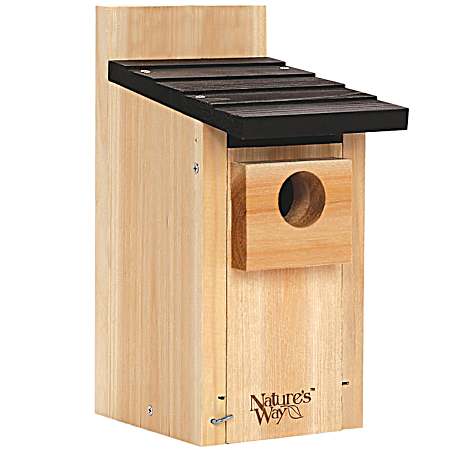
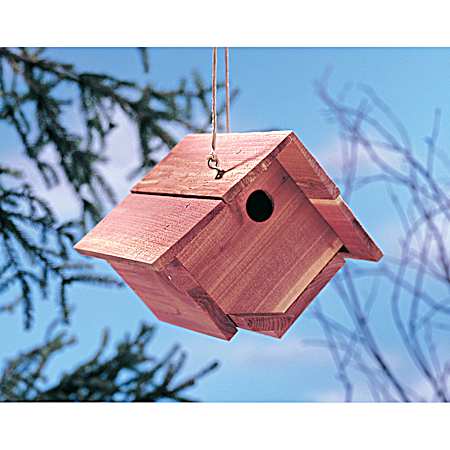
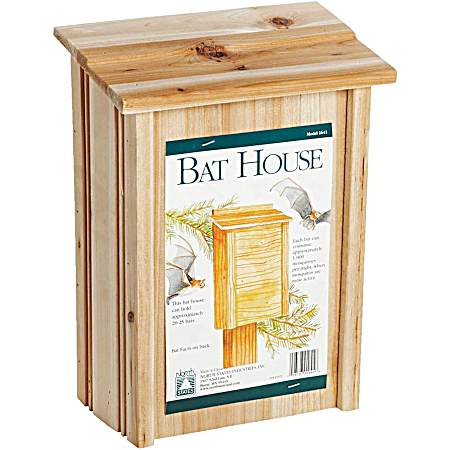
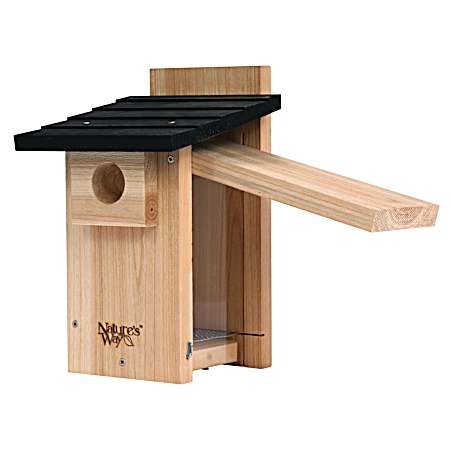
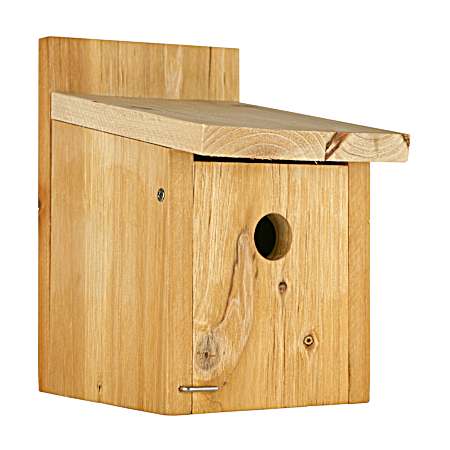
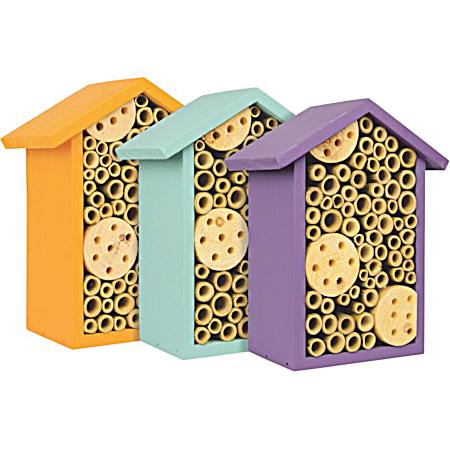
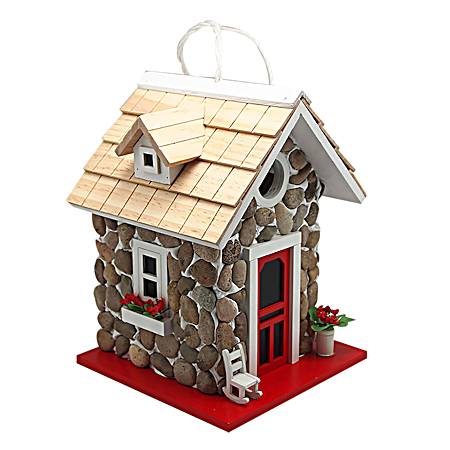
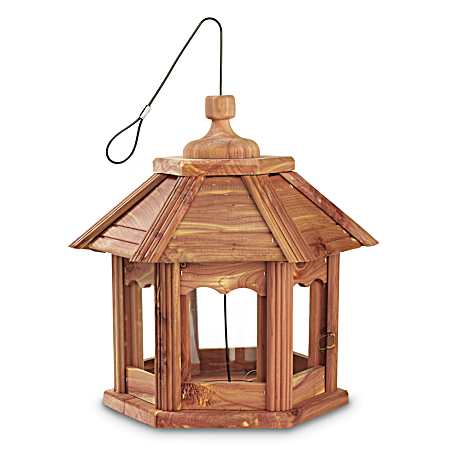
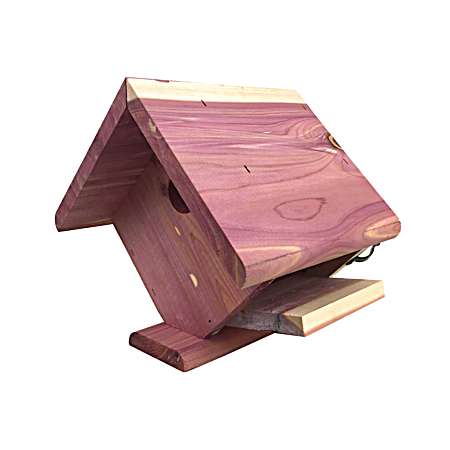

Read More +
Wild Bird Houses & Nesting Boxes
Welcome the perfect tenants to your backyard. Fleet Farm carries a wide selection of wild bird houses designed for durability and proven to attract native species—from bluebirds to wrens to purple martins. Built to withstand Midwest weather and backed by trusted brands, our birdhouses give nesting birds the shelter they need at prices that make sense.
Choosing Wild Bird Houses
Why Invest in Quality Bird Houses?
A well-built bird house does more than look good in your yard—it provides essential nesting habitat for cavity-dwelling birds that control insects, pollinate plants, and bring life to your property. Quality construction means better weather protection, safer nesting conditions, and houses that last season after season instead of falling apart after one winter.
Key Features to Look For in a Wild Bird House
Weather-Resistant Construction
Midwest weather demands houses built from rot-resistant materials. Cedar, cypress, and treated pine stand up to rain, snow, and temperature swings without warping or deteriorating. Look for houses with drainage holes in the floor and ventilation near the roofline—these prevent moisture buildup that can harm eggs and nestlings.
Proper Entrance Hole Size
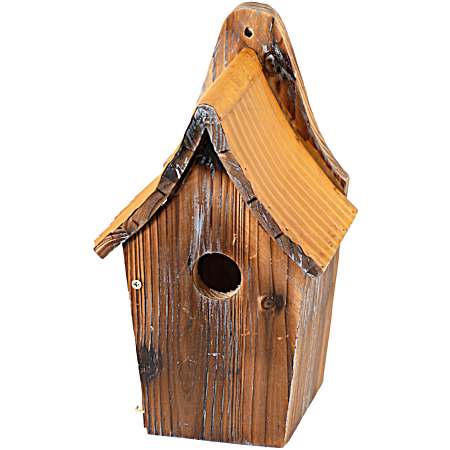
The diameter of the entrance hole determines which bird species can use the house. A 1½-inch hole attracts bluebirds and tree swallows while keeping out larger, more aggressive birds. Smaller 1⅛-inch holes work for chickadees and wrens. If you're targeting specific species, match the hole size to their nesting requirements—this is the single most important specification.
Easy Cleaning Access
Birds won't reuse old nests, and many species won't nest in a dirty house. Look for designs with hinged roofs, removable fronts, or swing-out sides that let you clean out old nesting material each fall. This simple maintenance keeps your bird house productive year after year.
Predator Protection
A recessed entrance or extended roof overhang makes it harder for raccoons, cats, and snakes to reach inside. Some houses include metal entrance hole reinforcements that prevent squirrels and woodpeckers from enlarging the opening. These features dramatically increase nesting success rates.
Proper Depth and Floor Size
Different species need different interior dimensions. Bluebirds prefer a 5x5-inch floor with 8-10 inches of depth below the entrance. Chickadees and wrens do well in smaller houses. Purple martins need compartmentalized houses with multiple rooms. Check species-specific requirements before buying.
Types of Bird Houses for Different Species
Bluebird Houses
Eastern bluebirds are one of the most sought-after backyard birds, and they readily use nest boxes. Look for houses with a 1½-inch entrance hole mounted 5-6 feet high in open areas with short grass nearby. Bluebirds prefer houses with good visibility and room to hunt insects. Paired boxes (two houses 15-25 feet apart) can attract multiple nesting pairs.
Wren Houses
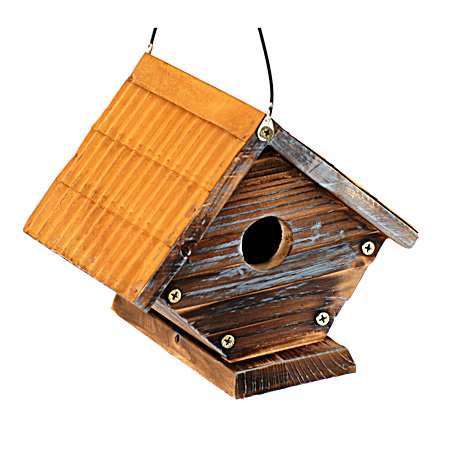
House wrens are adaptable cavity nesters that accept houses mounted almost anywhere—from trees to fence posts to porch overhangs. They prefer houses with 1-1⅛ inch entrance holes and will nest in surprisingly small spaces. Wrens are voracious insect-eaters and entertaining singers, making them excellent neighbors for your garden.
Purple Martin Houses
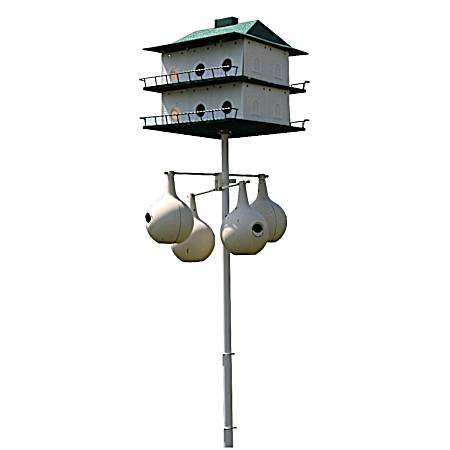
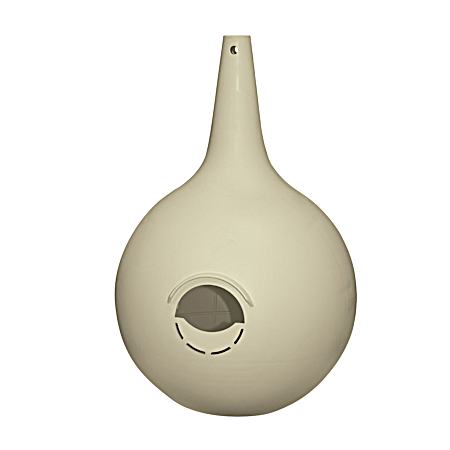
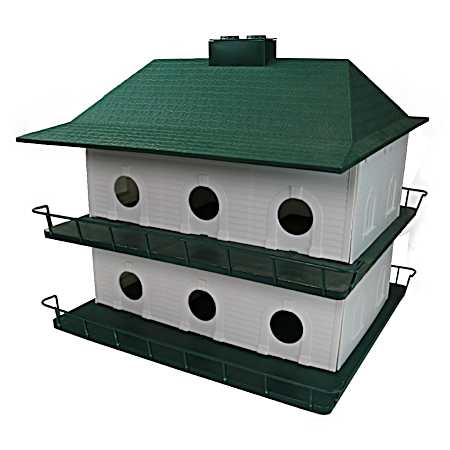
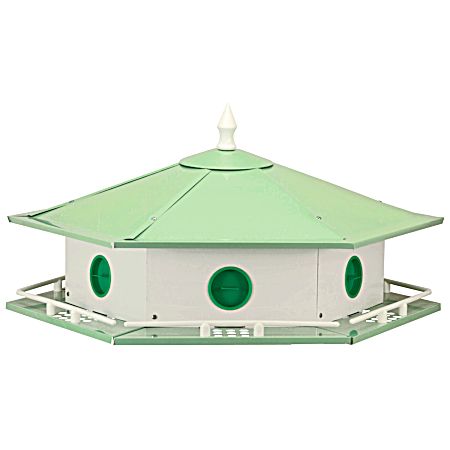
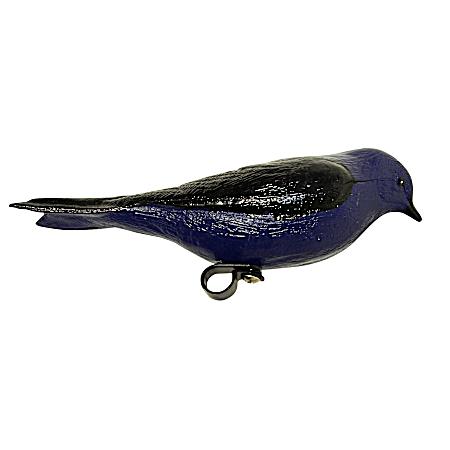
Purple martins are colonial nesters that require multi-unit houses or gourds. These impressive aerial acrobats migrate from South America each spring specifically to find suitable housing. Multi-compartment houses should be mounted on poles 10-20 feet high in the most open area of your property, at least 40 feet from trees. Each compartment needs a 2⅛-inch entrance hole and roughly 6x6 inches of floor space.
Chickadee and Titmouse Houses
These small cavity nesters prefer houses with 1⅛-1¼ inch entrance holes mounted in partially wooded areas. They'll use houses year-round—raising young in spring and roosting for warmth in winter. Mount these 5-15 feet high on trees or poles near edges where woods meet open areas.
Woodpecker Houses
Downy and hairy woodpeckers, along with flickers, will use nest boxes if natural cavities are scarce. These species need larger houses (8x8 inch floor) filled with wood chips that they can excavate to their liking. Mount 8-20 feet high on trees in wooded settings.
Screech Owl and Kestrel Boxes
Larger cavity nesters like screech owls and American kestrels need substantially bigger houses—at least 8x8 inches for owls and 8x8 to 9x12 for kestrels. These beneficial predators control rodent and insect populations and will return to the same nesting site year after year if undisturbed.
Top Bird House Brands at Fleet Farm
Fleet Farm stocks bird houses from manufacturers known for quality construction and species-specific designs:
Nature's Way offers cedar houses with proper ventilation, drainage, and easy-clean designs for multiple species. Their focus on functionality over decoration makes them popular with serious birders.
Heath Outdoor Products combines attractive designs with proven nesting success. Their houses feature the right dimensions and entrance sizes for each species, plus weather-resistant finishes.
Audubon bird houses are designed in partnership with wildlife experts to maximize nesting success. Many models include features recommended by the National Audubon Society's decades of bird research.
Woodlink specializes in solid wood construction with rust-proof hardware and deep roof overhangs for maximum weather protection.
How to Position Bird Houses for Maximum Occupancy
Mounting Height Matters
Most songbirds prefer houses mounted 5-15 feet high, but this varies by species. Bluebirds do well at 5-6 feet; wrens accept any height; chickadees prefer 6-15 feet; purple martins need 10-20 feet. Higher isn't always better—mounting too high makes cleaning difficult and may not improve occupancy.
Face the Entrance Strategically
Orient entrance holes away from prevailing winds (usually away from west and northwest in the Midwest). Many experts suggest facing entries toward the east or southeast for morning sun while avoiding afternoon heat. In open areas, facing toward trees or shrubs gives fledglings a safe first landing target.
Spacing Between Houses
Territorial species like bluebirds and tree swallows need houses spaced at least 100 yards apart to avoid conflicts. Wrens are less territorial and will nest closer. Purple martins are colonial and prefer houses in tight groups. Understanding species behavior helps you plan an effective layout.
Habitat Considerations
Match the house location to the species' natural preferences. Bluebirds want open areas with short grass for hunting. Chickadees prefer woodland edges. Purple martins need wide-open spaces. Wrens are flexible but like some nearby cover. The right habitat matters as much as the right house.
Seasonal Maintenance for Long-Lasting Houses
Fall Cleaning
Remove old nesting material in late fall after birds have migrated. This prevents parasite buildup and gives next year's nesters a clean start. A stiff brush and mild bleach solution (1 part bleach to 9 parts water) sanitizes the interior. Let houses dry completely before closing them up.
Winter Preparations
Some species use bird houses for winter roosting. If you want to encourage this, leave houses up and ensure entrance holes are clear. Otherwise, removing houses during winter prevents ice damage and gives you time for repairs.
Spring Checks
Inspect houses in late winter before nesting season. Tighten loose screws, check that drainage holes are clear, replace any rotted wood, and apply fresh wood preservative to untreated areas if needed. Timing this work for February or early March ensures houses are ready when migrating birds return.
Mid-Season Monitoring
Check houses weekly during nesting season to monitor occupancy and watch for problems. Remove wasp nests or invasive species like house sparrows. If a nest fails, remove the materials so birds can try again. This hands-on management increases nesting success dramatically.
Frequently Asked Questions
What's the difference between a bird house and a bird feeder?
Bird houses (also called nesting boxes or nest boxes) provide shelter for birds to raise their young. They're used primarily during breeding season (spring through early summer). Bird feeders provide food year-round but no shelter. Most backyard birders use both—feeders to attract and observe birds, and houses to encourage them to nest and stay on the property.
How do I keep predators out of my bird houses?
Choose houses with predator guards—metal plates around entrance holes prevent enlargement, and deep roof overhangs keep reaching predators at bay. Mount houses on metal poles with cone-shaped baffles to stop climbing predators like raccoons and snakes. Keep houses away from low-hanging branches that provide predator access. Regular monitoring helps you identify and address problems before nests fail.
When should I put up bird houses?
Install houses by late February or early March in the Midwest—before migrating birds return to look for nesting sites. Many species scout for housing immediately upon arrival. However, houses installed at any time can attract second nesting attempts or the following year's nesters. Resident species like chickadees may use houses year-round for roosting.
How long do wooden bird houses last?
Well-built cedar or cypress houses can last 10-20 years with basic maintenance. Treated pine lasts 5-10 years. Factors affecting longevity include wood quality, finish application, mounting method, and climate exposure. Annual cleaning and occasional resealing of joints extends life significantly. Houses mounted under eaves or in protected locations last longer than those fully exposed to weather.