


TREESTANDS



SHOP ALL TREESTANDS
Refinements


Read More +
Treestands: Your Elevated Advantage for a Successful Hunt
A quality treestand is one of the most critical pieces of gear for a deer hunter. It gets you above the deer's line of sight and helps to disperse your scent, giving you a significant advantage. At Fleet Farm, we carry a wide range of treestands to suit every hunter and every hunting situation. From the portability of a climbing stand to the rock-solid stability of a ladder stand, you'll find the perfect perch for your next hunt.
Understanding the Different Types of Treestands
With so many options, selecting the right treestand can seem daunting. Here’s a breakdown of the most common types and their best uses:
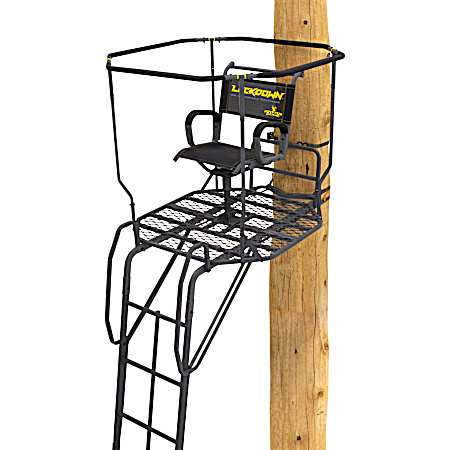
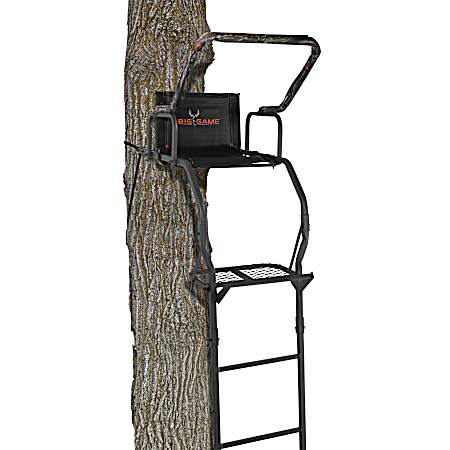
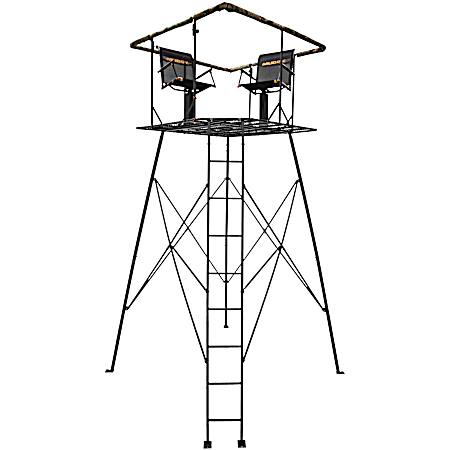
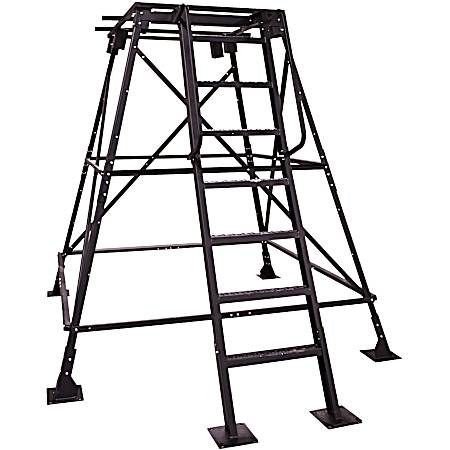
- Ladder Stands: The most stable and easiest to climb, making them an excellent choice for beginners, older hunters, or for hunting with a partner or youth hunter. Their larger platforms offer more comfort for all day sits. Because they are heavy and bulky, they are best suited for private land where they can be set up and left for the season.
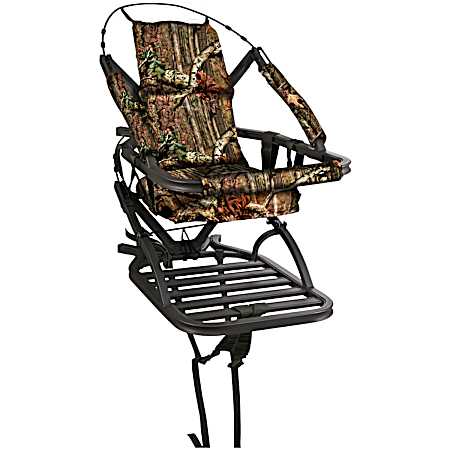
- Climbing Stands: The go to choice for the mobile hunter. These stands are lightweight and portable, allowing you to easily pack them in and out of public land or move to a new spot as deer patterns change. They are designed for straight, limbless trees, so they may not be suitable for all hunting locations.
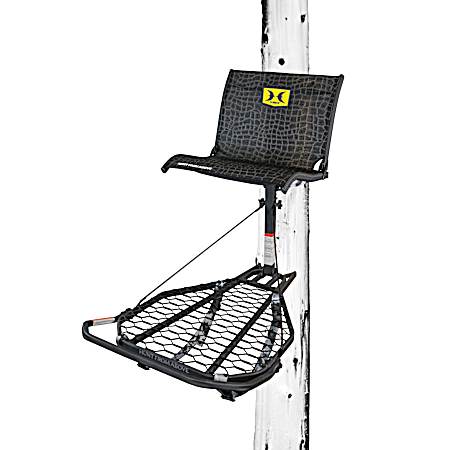
- Hang-On Stands: The most versatile option, hang-on stands can be set up in a wider variety of trees, including those with limbs or that are not perfectly straight. They are lightweight and quiet, making them a favorite of bowhunters. Hang-on stands require separate climbing sticks or steps to reach the desired height.
- Saddle Hunting Systems: A minimalist, ultralight option for the most mobile and adventurous hunters. A saddle system consists of a harness that you wear, which is tethered to the tree. This allows for 360 degree shooting and can be used in almost any tree. There is a learning curve to using a saddle, but many hunters find the portability and versatility to be worth it.
Safety First: Treestand Safety is Non-Negotiable
Hunting from an elevated position comes with inherent risks. Always follow these safety guidelines:
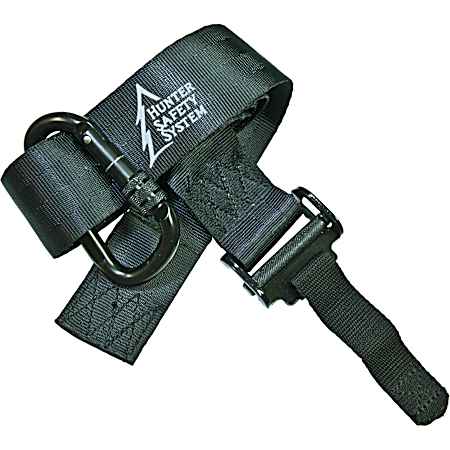
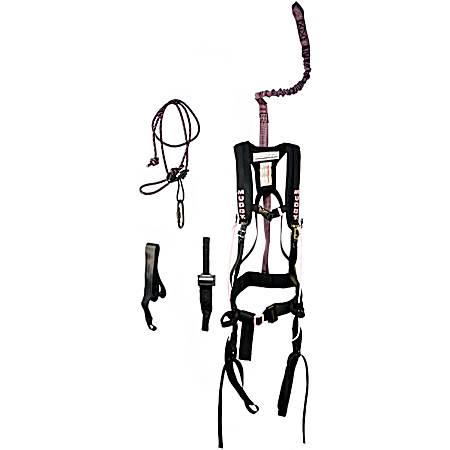
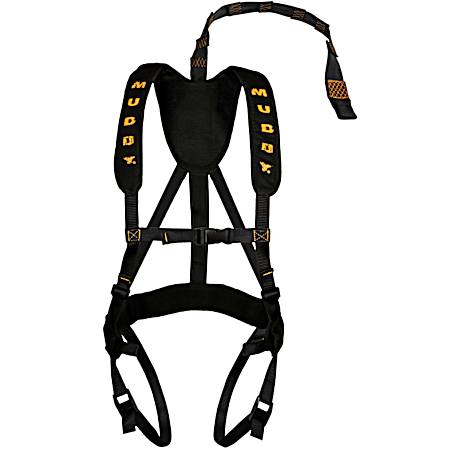
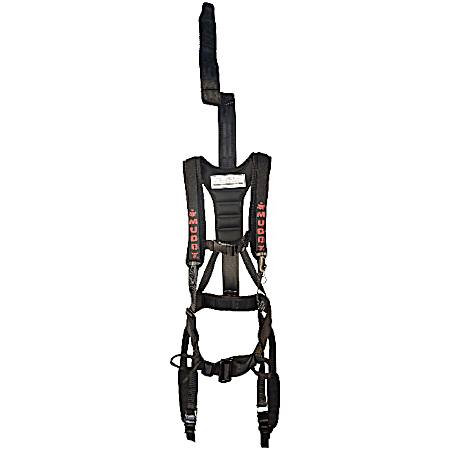
- Always wear a full body safety harness. Most falls occur when climbing up or down the tree, so stay connected to the tree from the moment you leave the ground until you are back down.
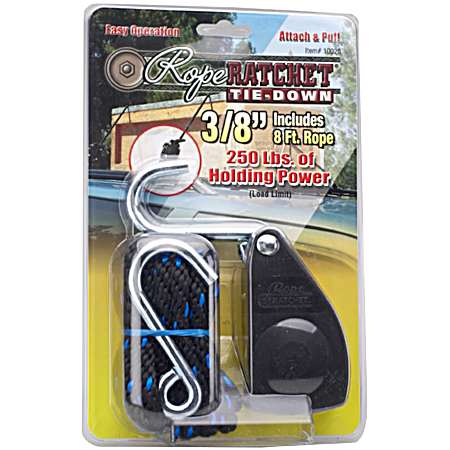
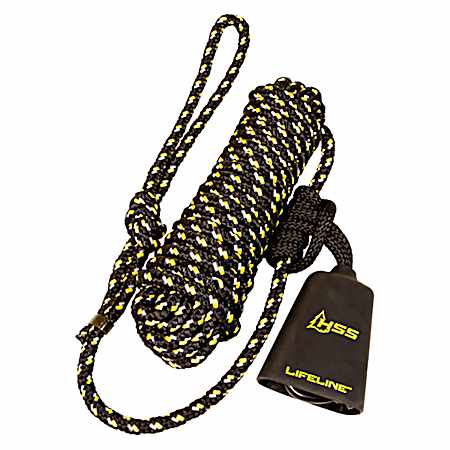
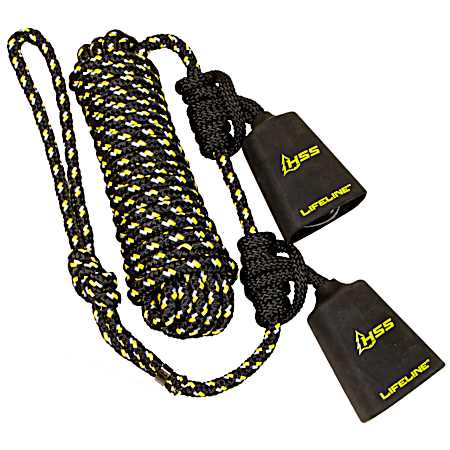
- Use a haul line. Never carry your firearm, bow, or other gear while climbing. Use a haul line to raise and lower your equipment.
- Inspect your stand before every use. Check for any signs of wear and tear, and replace any worn or damaged parts.
- Know your limits. Don't climb higher than you are comfortable with.
How to Choose a Treestand
Beyond the type of stand, consider these crucial factors to match the stand to your specific needs:
- Weight Capacity: This is a critical safety feature. The listed weight capacity must safely support you plus the full weight of your gear, including your weapon, pack, and heavy winter clothing. Always choose a stand with a capacity well above your combined weight.
- Platform Size: A larger platform offers more foot room and comfort for long sits, which is ideal for rifle hunters. Bowhunters often prefer a slightly smaller platform for less weight, as long as it still provides enough room to safely maneuver for a shot.
- Stand Weight: If you hunt public land or plan to move your stand frequently, the stand's own weight is a primary concern. Aluminum stands are significantly lighter than steel stands, making them ideal for mobile hunters. For stationary stands on private land, a heavier steel stand provides excellent durability and stability.
- Seat Comfort: For all day hunts, a comfortable seat is essential. Look for features like thick padding, backrests, and armrests. Mesh or suspension style seats are often praised for their silent, pressure free comfort.
- Height Potential: Ladder stands come in fixed heights, typically from 15 to 25 feet. Climbing and hang-on stands offer more flexibility, allowing you to choose your height based on the available cover and terrain. A higher position provides better scent control and a wider field of view.
Here's what our customers are saying:
"My new ladder stand from Fleet Farm is a game changer. It's incredibly stable and comfortable, which has allowed me to stay in the woods longer and see more deer." - John D., Wisconsin
"As a public land hunter, I need a stand that is light and easy to pack. The climbing stand I bought at Fleet Farm is perfect for my style of hunting. I can be set up and hunting in minutes." - Sarah M., Minnesota
Frequently Asked Questions:
How high should I hang my treestand?
The ideal height for a treestand is typically between 15 and 25 feet. This gets you high enough to be out of a deer's normal line of sight and helps to disperse your scent, but it's not so high that it makes for a difficult shot angle.
What is the most important piece of treestand safety equipment?
A full body safety harness is the most critical piece of treestand safety gear. You should be wearing it and be connected to the tree from the moment you leave the ground until you are safely back down.
Can I leave my treestand out all year?
It is not recommended to leave your treestand out all year. Exposure to the elements can cause straps and other components to degrade, making the stand unsafe. It's best to take your stands down at the end of the season and inspect them thoroughly before setting them up again the following year.