


OPTICS
Shop by Category



SHOP ALL OPTICS
Refinements



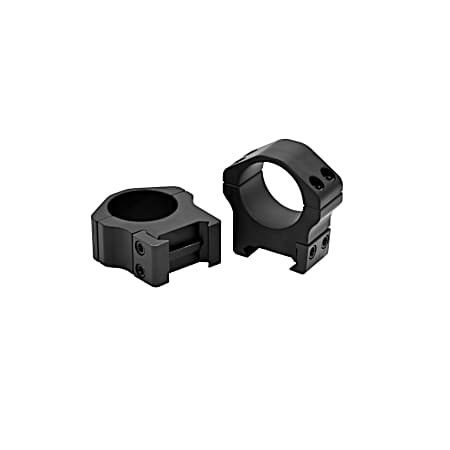
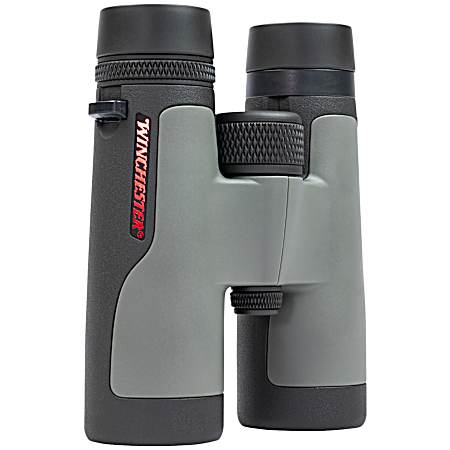
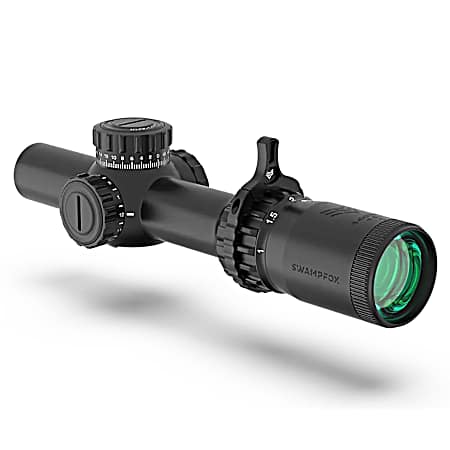
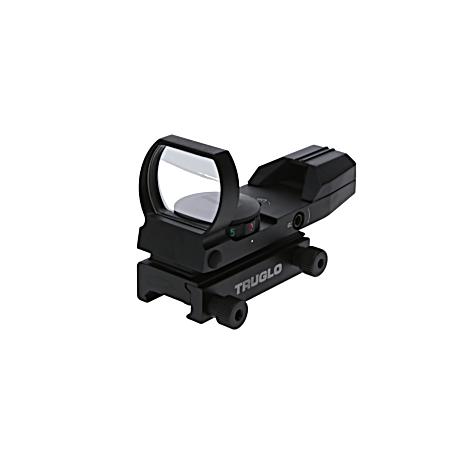
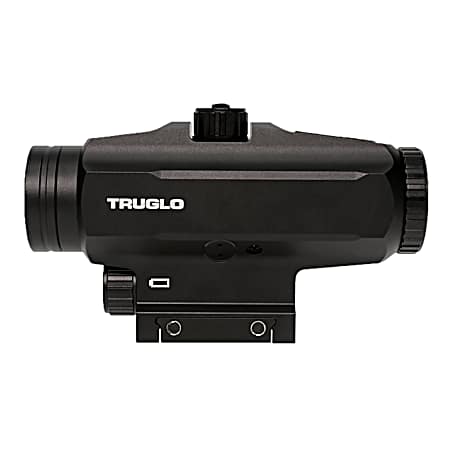
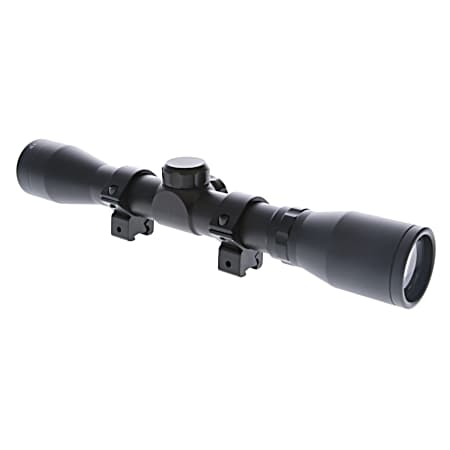

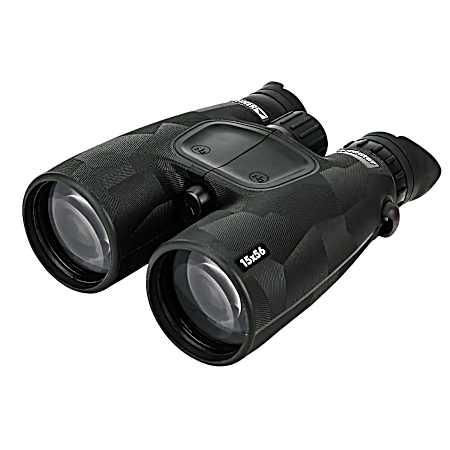

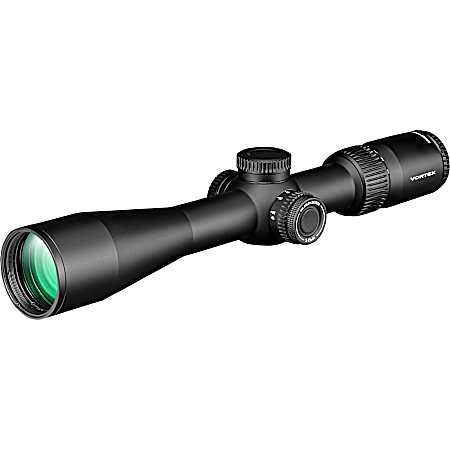
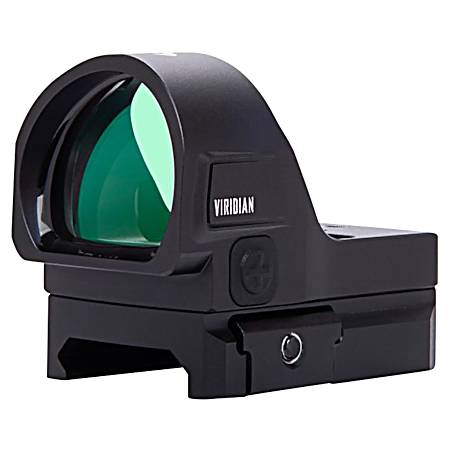

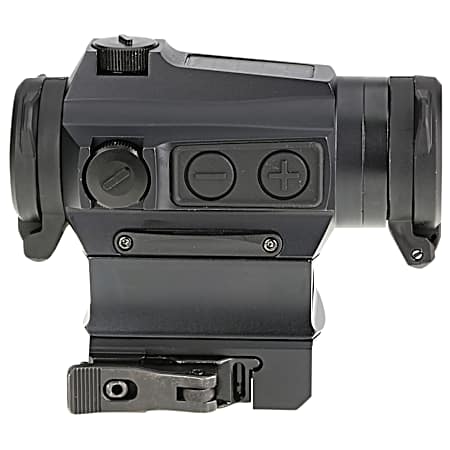
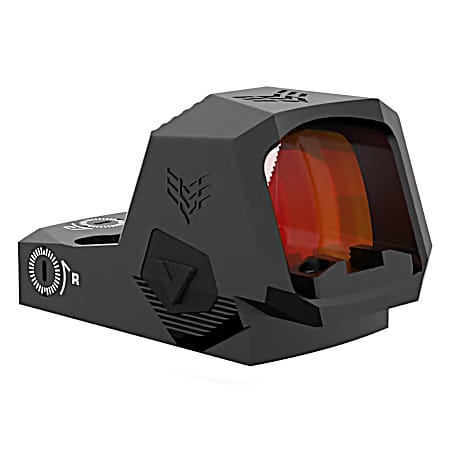
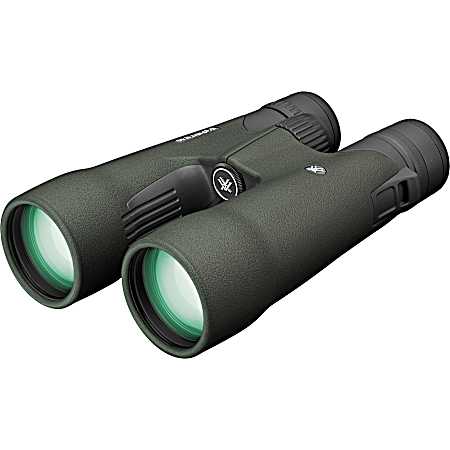
Read More +
Hunting & Shooting Optics: See the Difference a Quality Optic Makes
A successful hunt is a game of details. From the subtle twitch of a deer’s ear in the brush to the precise placement of a long range shot, your ability to see clearly is paramount. The right hunting optic doesn’t just magnify your target; it gathers light, enhances contrast, and provides the durability to withstand the elements. At Fleet Farm, we offer a comprehensive selection of optics to meet the demands of any hunter, from the dense woods of the Midwest to the wide open plains.
Understanding the Numbers: A Guide to Optic Specifications
Choosing the right optic can be daunting, but understanding a few key specifications will help you make an informed decision.
- Magnification: The first number in an optic's description (e.g., the "3" in 3-9x40) tells you how many times closer an object will appear. Variable power scopes (like a 3-9x) offer a range of magnification, while fixed power scopes have a single magnification level.
- Objective Lens Diameter: The second number (the "40" in 3-9x40) is the diameter of the lens at the far end of the scope, measured in millimeters. A larger objective lens gathers more light, resulting in a brighter image, which is especially important in low light conditions at dawn and dusk.
- Reticle: The reticle, or crosshairs, is the aiming point you see when looking through the scope. Different reticle types are available, from simple duplex crosshairs to more complex ballistic reticles that help you compensate for bullet drop at long ranges.
- Eye Relief: This is the optimal distance between your eye and the eyepiece to see a full, clear image. Ample eye relief is a critical safety feature, especially on rifles with heavy recoil.
- Field of View (FOV): Measured in feet at 100 yards, the FOV is the width of the area you can see through your scope. A wider FOV is beneficial for scanning for game, while a narrower FOV is common at higher magnifications.
For the Deer Hunter: Versatility and Reliability
For most deer hunting situations, a variable power scope in the 3-9x or 4-12x range is an excellent choice. These scopes offer a wide field of view at low power for hunting in thick cover, and the ability to zoom in for more precise shots at longer distances. Look for scopes with good light gathering capabilities for those crucial first and last minutes of legal shooting light.
For the Long Range Shooter: Precision and Power
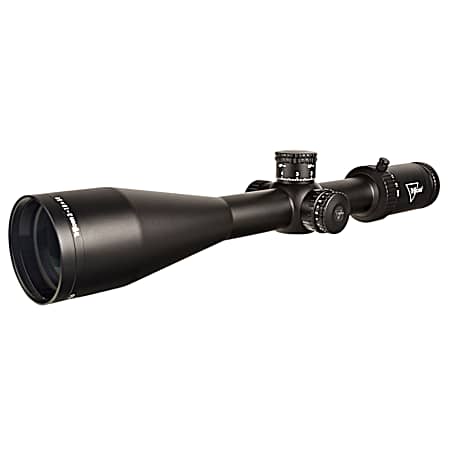
When shooting across long distances, you need an optic that can go the distance. Look for scopes with higher magnification ranges, a larger objective lens for maximum light transmission, and a detailed reticle for accurate holdovers. Features like a parallax adjustment and tactical turrets for precise windage and elevation adjustments are also essential for long range accuracy.
For the Bow Hunter: Speed and Accuracy
Bow hunters need optics that are lightweight, durable, and provide a clear sight picture in a variety of conditions. Rangefinding binoculars are an invaluable tool, combining the ability to spot game with a built in laser rangefinder to ensure an accurate shot. For crossbow hunters, a specialized crossbow scope with a reticle calibrated for bolt ballistics is a must have.
Choosing Your Optic: A Comparison
Mounting Your Scope: The Foundation of Accuracy
A scope is only as good as its mount. A properly mounted scope will hold its zero, even after repeated recoil. While we recommend having your scope professionally mounted, here are the basic steps:
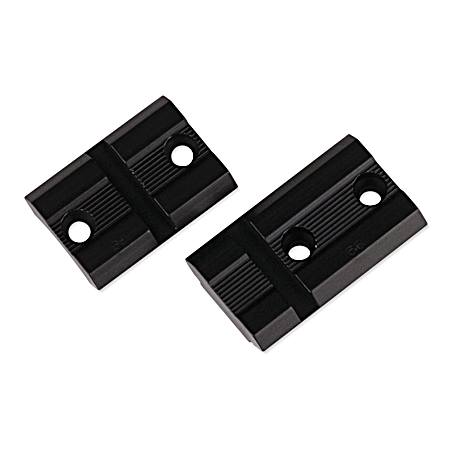
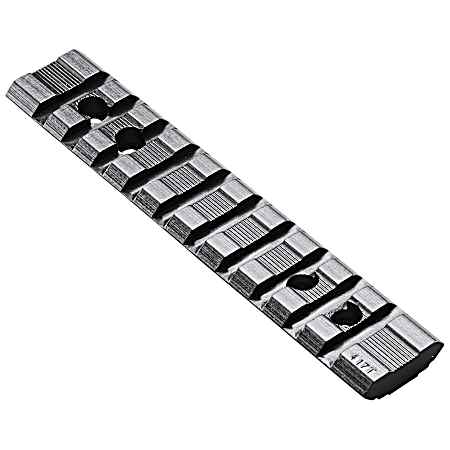
- Choose the Right Base and Rings: Ensure they are compatible with your rifle and scope.
- Mount the Base: Securely attach the base to your rifle's receiver.
- Attach the Rings: Loosely attach the bottom half of the rings to the base.
- Position the Scope: Place the scope in the rings and adjust for proper eye relief.
- Level the Reticle: Ensure the crosshairs are perfectly vertical and horizontal.
- Tighten the Rings: Evenly tighten the ring screws to the manufacturer's specifications.
Zeroing Your Scope
After mounting, you'll need to "zero" your scope so that your point of aim matches your point of impact at a specific distance. This is typically done at a shooting range with a stable rest.
Social Proof & Trust Building
"I bought a Vortex scope from Fleet Farm for my deer rifle, and it's been a game changer. The clarity in low light is incredible. The staff in the hunting department were super helpful and even helped me mount it." - Mark P., Wisconsin
"Fleet Farm has the best selection of Leupold optics in the area. I was able to compare a few different models and found the perfect one for my long range setup." - David S., Minnesota
Frequently Asked Questions
What is the difference between a riflescope and a spotting scope?
A riflescope is mounted on a rifle and is used for aiming, while a spotting scope is a more powerful monocular used for observation from a stationary position, typically on a tripod.
How do I choose the right hunting scope for deer hunting?
For most deer hunting, a 3-9x40 scope is a great all around choice. It offers a good balance of magnification, field of view, and light gathering for a variety of situations.
What are the top rated hunting binoculars for low light conditions?
Binoculars with a larger objective lens (e.g., 8x42 or 10x50) and high quality lens coatings will perform best in low light. Brands like Vortex, Leupold, and Nikon are known for their excellent low light performance.
What are the different types of hunting reticles?
The most common is the duplex reticle. Other types include BDC (Bullet Drop Compensating) reticles, which have holdover points for long range shots, and illuminated reticles for low light conditions.