


GAME CAMERAS

SHOP ALL GAME CAMERAS
Refinements
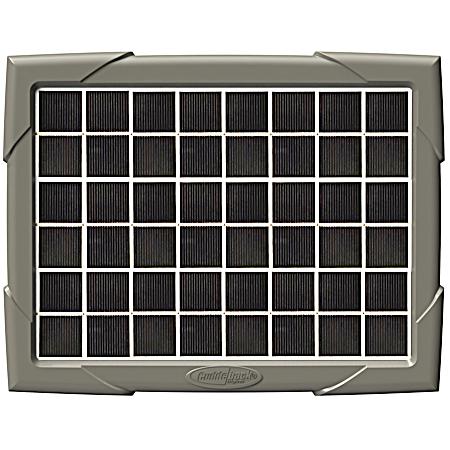
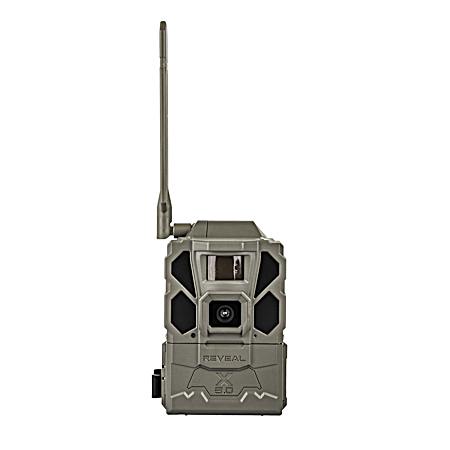
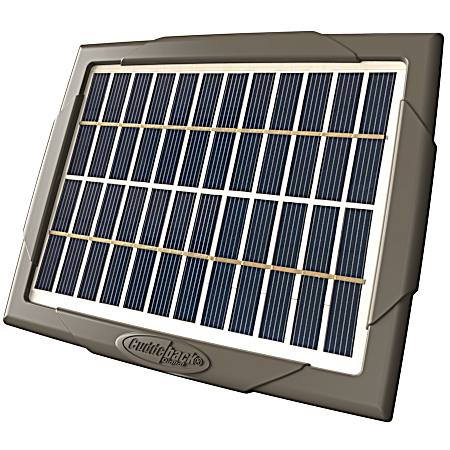
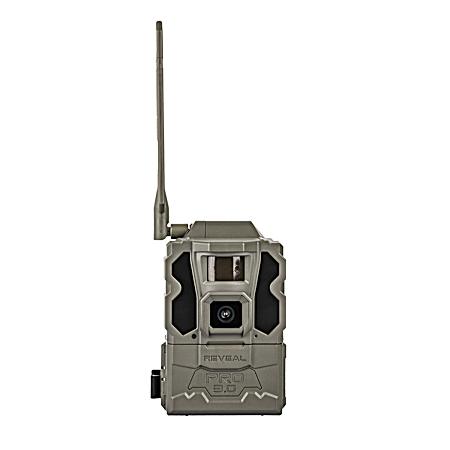

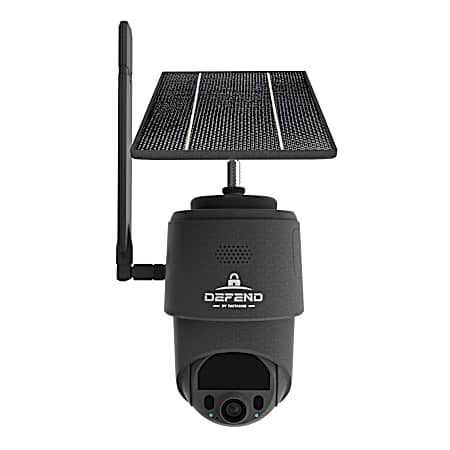
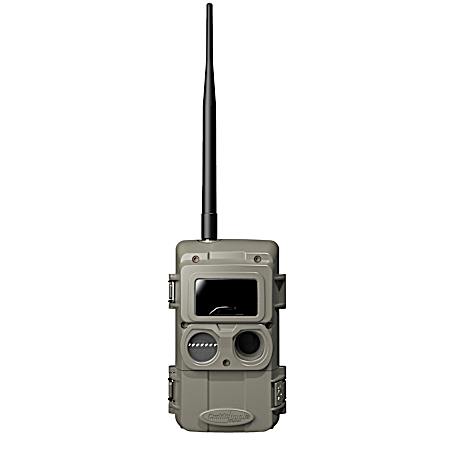
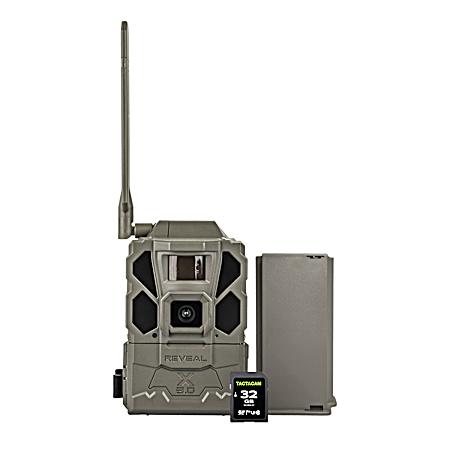
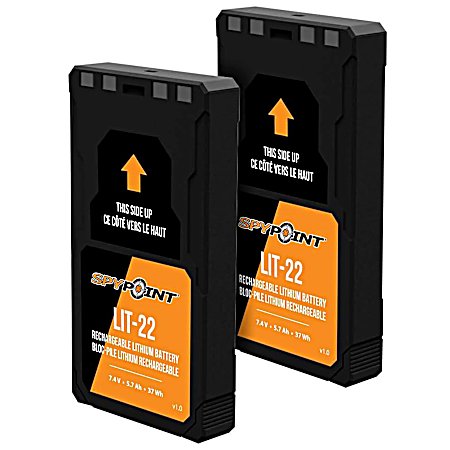
Read More +
Game Cameras: Your Eyes in the Woods
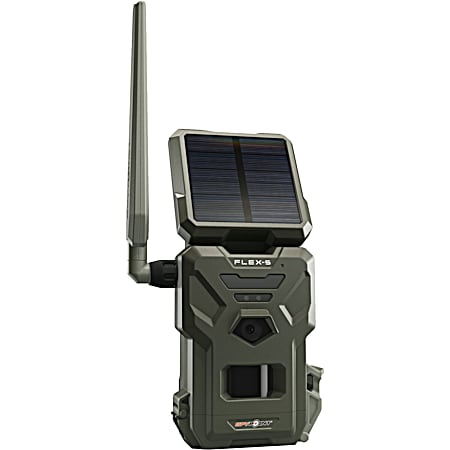
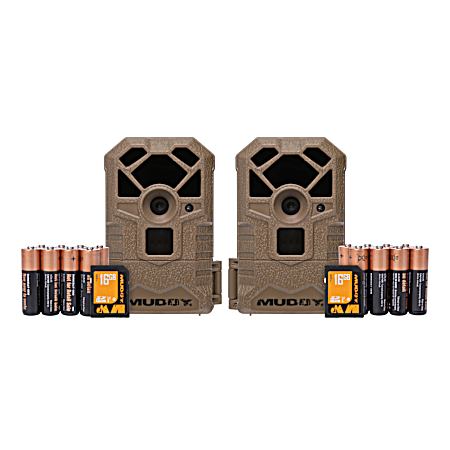
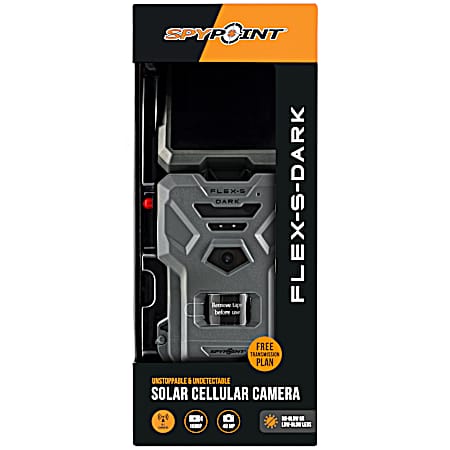
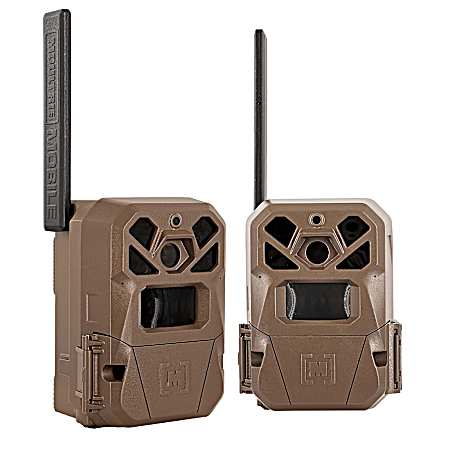
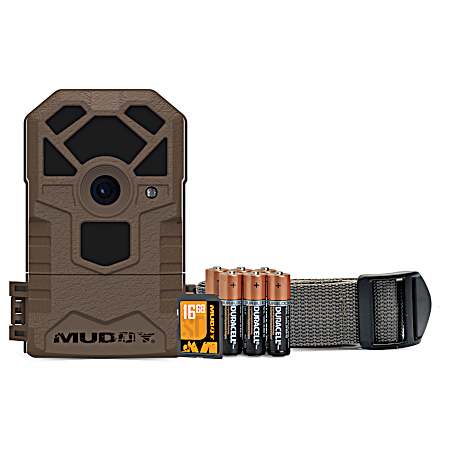
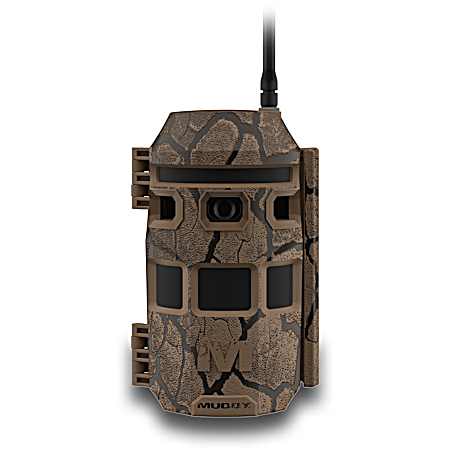
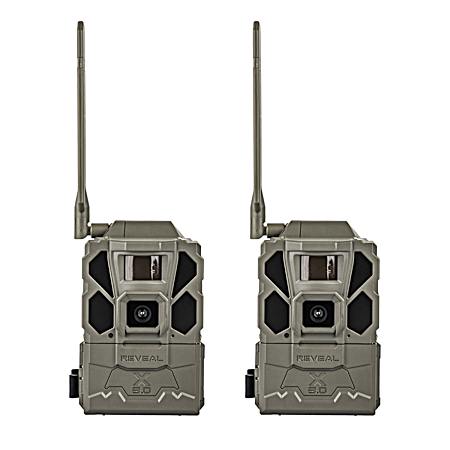
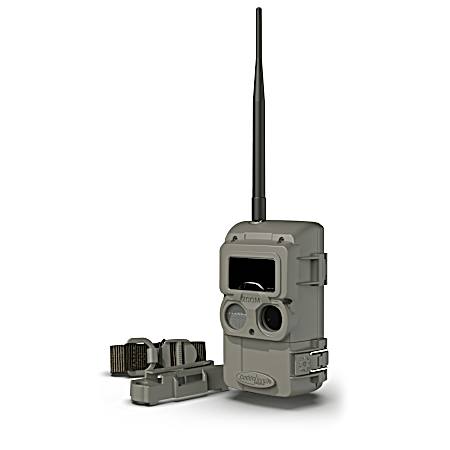
A reliable game camera is more than just a camera; it's an indispensable tool for gathering information. From scouting the perfect hunting spot to simply enjoying the secret lives of the animals on your land, these rugged, motion-activated cameras capture the moments you would otherwise miss. With advancements in technology, today's trail cameras are more powerful and easier to use than ever, offering features like cellular connectivity for remote viewing and high-resolution video for crystal-clear footage.
Choosing the Best Game Camera for Your Needs
With so many options, picking the right trail camera can be a challenge. Here’s a breakdown of the most important features to consider:
- Resolution (Megapixels): Higher megapixels generally mean clearer, more detailed images. For hunters who need to identify specific animals, a higher resolution is crucial.
- Trigger Speed: This is how quickly the camera takes a picture after detecting motion. A faster trigger speed (under 0.5 seconds) is essential for capturing fast-moving animals.
- Detection Range: This is the maximum distance at which the camera can detect motion. A longer detection range is ideal for monitoring open fields or long trails.
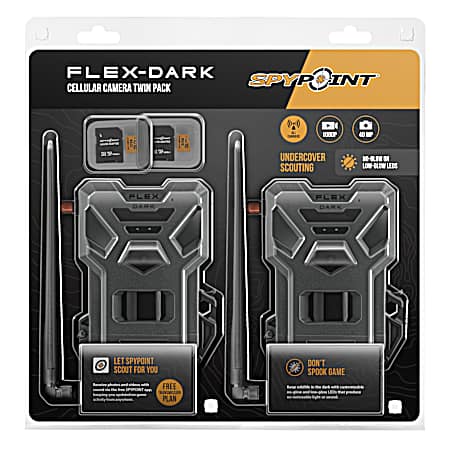
- Night Vision (Infrared vs. Black Flash): Infrared flash is visible to the naked eye as a faint red glow, while black flash is completely invisible. For spook-prone game, a black flash camera is the better choice.
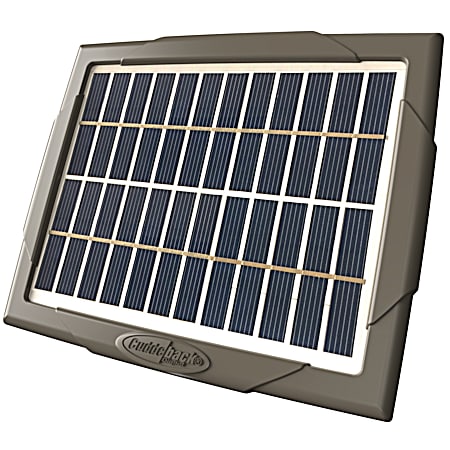
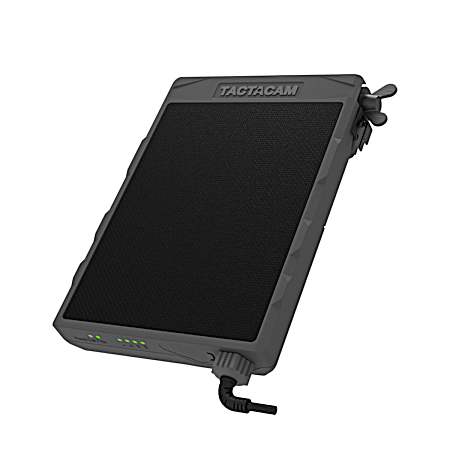
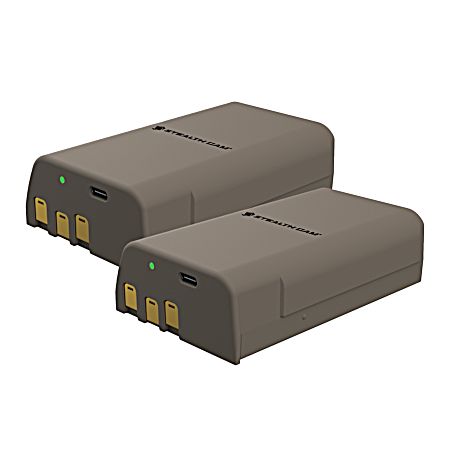
- Battery Life: Look for cameras with long battery life to minimize trips to the field. Some models also support solar panels for extended use.
- Cellular vs. Non-Cellular: Cellular cameras send images and videos directly to your phone or email, while non-cellular cameras require you to physically retrieve the SD card. Cellular models are more expensive and require a data plan, but offer the convenience of real-time monitoring.
- Video Quality: If you're interested in capturing video, look for a camera with at least 1080p HD resolution for clear, detailed footage.
For the Avid Hunter:
Position your camera on a well-used game trail or near a food source to pattern deer movement and identify mature bucks in your area. Use the time-lapse mode to monitor a field throughout the day and pinpoint the best times to hunt.
For the Wildlife Watcher:
Set up a camera near a water source or a unique habitat feature on your property to capture stunning images and videos of a variety of animals. The high-resolution images can be a rewarding way to connect with the natural world around you.
For Property Surveillance:
Monitor remote areas of your property, such as driveways, gates, or outbuildings, for security purposes. The motion-activated alerts on cellular models can provide peace of mind by notifying you of any activity.
Compare Top Game Camera Features
Getting the Most Out of Your Game Camera
- Placement is Key: For best results, mount your camera about 3-4 feet off the ground on a sturdy tree. Face the camera north or south to avoid sun glare, which can cause false triggers.
- Clear the Area: Before setting up your camera, clear away any branches or tall weeds that could blow in the wind and trigger the motion sensor.
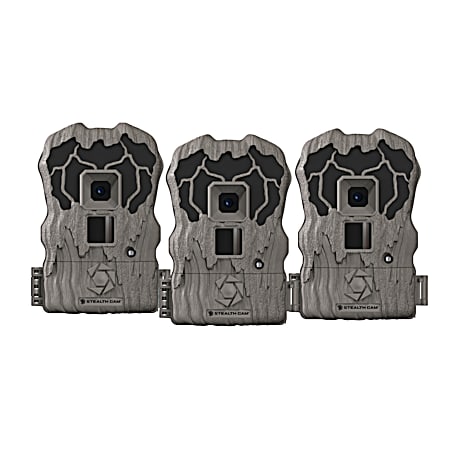
- Camouflage Your Camera: While most cameras come in a camo pattern, you can further conceal it with leaves and branches to prevent theft and keep it hidden from wary game.
What Our Customers Are Saying
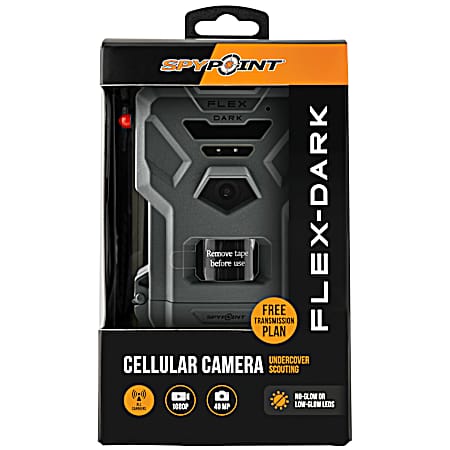
"I bought the SPYPOINT Flex-M for my deer lease, and it's a game-changer. The picture quality is amazing, and I get photos sent right to my phone. I was able to pattern a big buck and successfully harvested him last season. Thanks, Fleet Farm!" - John D., Avid Hunter
"We love our new trail camera! We set it up in our backyard to see what kinds of critters visit at night. The kids love waking up in the morning to check the pictures. We've seen deer, raccoons, and even a fox!" - Sarah P., Wildlife Enthusiast
Frequently Asked Questions
What is the difference between a cellular and a non-cellular game camera?
A cellular game camera uses a cellular network to send photos and videos to your phone or email as soon as they are taken. A non-cellular camera stores the images on an SD card, and you must physically retrieve the card to view the images.
What kind of memory card do I need for my game camera?
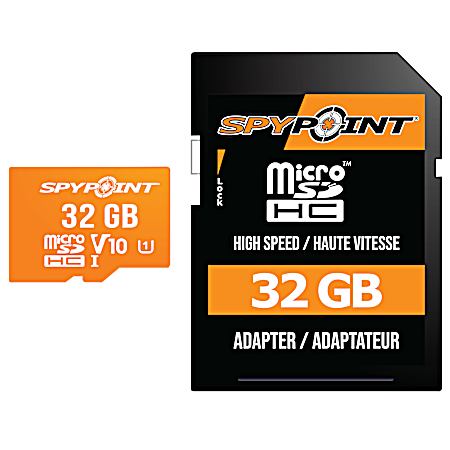
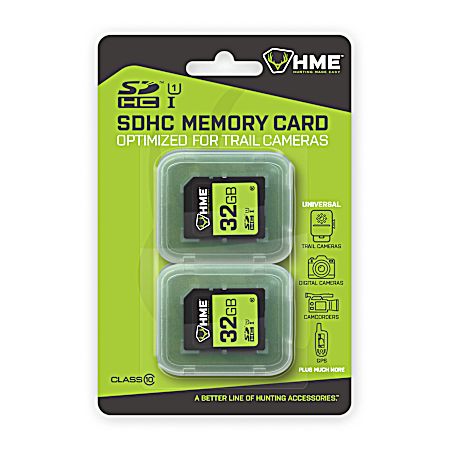
Most game cameras use a standard SD or microSD card. Check the manufacturer's recommendations for your specific model, but a Class 10 card with at least 32GB of storage is a good starting point for most users.
How long do game camera batteries typically last?
Battery life can vary greatly depending on the camera model, the number of photos and videos taken, and the weather conditions. Most cameras will last for several weeks or even months on a single set of batteries. For the longest life, use lithium batteries.
Are there any legal regulations for using game cameras?
Yes, regulations for using game cameras can vary by state and even by specific hunting areas. Always check your local regulations before setting up a camera, especially on public land.
How can I view my game camera footage remotely?
To view footage remotely, you will need a cellular game camera. These cameras connect to a cellular network and send images and videos to a dedicated app on your smartphone or to your email.