


FISHING ELECTRONICS

SHOP ALL FISHING ELECTRONICS
Refinements








Read More+
Fish Finders, GPS, & Maps
Find more fish with premium sonar technology from the brands anglers trust. Fleet Farm carries Garmin, Humminbird, and Lowrance fish finders with GPS mapping, side imaging, and down imaging, everything you need to locate structure, track depth, and mark hotspots. From portable ice fishing units to full-featured marine GPS systems, we stock the electronics that get you on fish faster.
Fish Finder Buying Guide
Key Features to Look For
Sonar Technology
Modern fish finders use advanced sonar to paint a detailed picture of what's below your boat or ice hole. Traditional 2D sonar displays fish arches and bottom structure, while CHIRP sonar delivers clearer target separation and better depth performance. Side imaging and down imaging sonar provide photo-like views of underwater structures, vegetation, and fish-holding cover—critical tools for scouting new water or locating offshore structure.
Screen Size and Resolution
Larger, high-resolution displays make it easier to read sonar returns in bright sunlight and identify individual fish from baitfish schools. Entry-level units typically feature 3.5" to 5" screens, while premium models offer 7" to 12" displays with touchscreen controls. For ice fishing or kayak applications, compact screens (4" to 5") balance portability with readability.
GPS and Mapping Capabilities
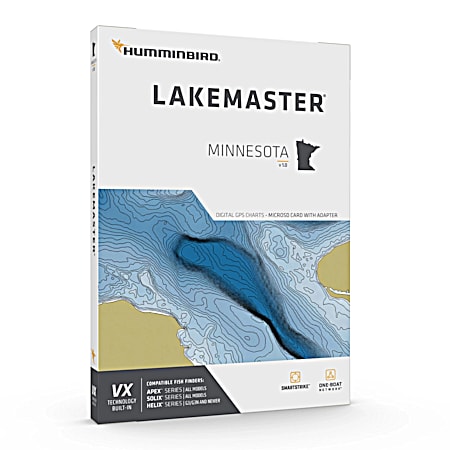
Fish finder GPS combos let you mark waypoints, create custom routes, and navigate safely back to productive spots. Many units include preloaded lake maps with depth contours, while premium models support detailed cartography like LakeMaster and Navionics. GPS functionality is especially valuable on large bodies of water where visual landmarks are limited.
Transducer Selection
The transducer determines sonar performance. Transom-mount transducers work for most boats, while trolling motor transducers keep your sonar cone positioned at the bow. Ice fishing requires portable transducers with float attachments or suction mounts. Dual-frequency transducers (typically 50/200 kHz or 83/200 kHz) provide flexibility—low frequencies for deeper water, high frequencies for detail in shallower zones.
Power and Portability
Permanent installations draw from your boat's 12V system and support larger displays with networking capabilities. Portable fish finders run on rechargeable batteries, making them ideal for ice fishing, kayaks, canoes, or moving between multiple boats. Look for units with all-season battery life and quick-disconnect mounts for maximum versatility.
Types of Fish Finders
Traditional 2D Sonar Units
Reliable depth finders that display fish arches, bottom composition, and water temperature. Perfect for anglers who want straightforward sonar without GPS or imaging features. These units excel at marking fish in the water column and are the most budget-friendly option for getting started with electronics.
GPS Fish Finder Combos
Combine sonar and GPS mapping in one unit. Mark waypoints over productive structure, track boat speed, and follow routes to distant fishing spots. Most include basic lake maps, with options to upgrade to premium cartography. GPS combos are the most popular choice for serious boat anglers.
Side Imaging and Down Imaging Units
Advanced sonar creates detailed, photo-like images of what's beside and below your boat. Side imaging scans hundreds of feet to each side, revealing drop-offs, weed edges, and isolated rock piles. Down imaging provides crystal-clear views directly beneath you—ideal for vertical jigging or identifying individual fish in deep water.
Ice Fishing Fish Finders
Compact, portable units designed for hardwater fishing. Built-in transducers or float-style sensors work through ice holes to display depth, fish, and bottom composition. Many ice fishing units feature flasher mode for real-time jigging feedback and run on rechargeable batteries that perform in freezing temperatures.
Castable Fish Finders
Ultra-portable sonar devices that pair with your smartphone or tablet. Cast the floating transducer into the water and view sonar returns on your mobile device. Great for shore fishing, kayak scouting, or checking depth before drilling ice holes. Limited range and features compared to dedicated units, but unmatched portability.
Kayak Fish Finders
Purpose-built for small watercraft. Compact screens, portable power systems, and transducer mounts designed for kayak hulls or trolling motor shafts. Many kayak anglers choose units with basic GPS and side imaging to maximize their electronics without overloading limited deck space or battery capacity.
Top Fish Finder Brands at Fleet Farm
Garmin
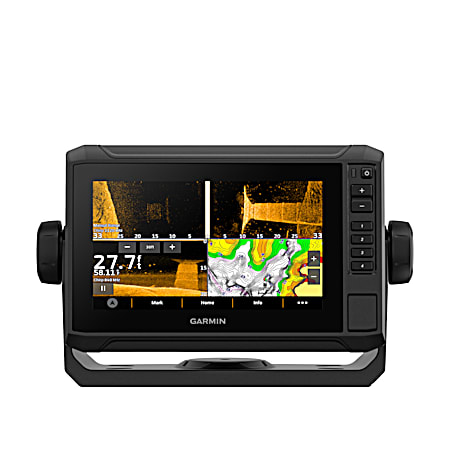
Industry leader in GPS technology and intuitive touchscreen interfaces. Garmin fish finders deliver excellent sonar clarity, extensive mapping options, and seamless integration with other marine electronics. Popular models range from entry-level Striker units to the premium ECHOMAP and GPSMAP series with networking capabilities.
Humminbird
Known for MEGA Imaging—some of the clearest side and down imaging on the market. Humminbird units feature excellent ice fishing modes, AutoChart Live for custom mapping, and robust transducer options. The HELIX series is a top choice for Midwest anglers fishing everything from farm ponds to Great Lakes waters.
Lowrance
Proven fish-finding performance with StructureScan imaging and C-MAP cartography. Lowrance units are built tough for demanding conditions and offer Active Imaging with CHIRP, SideScan, and DownScan sonar. The HOOK and HDS series provide options for anglers at every experience level.
Fishing Electronics FAQs
What's the difference between a fish finder and a depth finder?
A depth finder shows water depth and bottom hardness. A fish finder adds sonar to display fish arches, suspended targets, and underwater structure. Most modern units are fish finders with depth-finding capability built in.
Do I need GPS on my fish finder?
GPS isn't required for basic fish finding, but it's valuable for marking productive spots, navigating safely, and following routes. If you fish large bodies of water or want to return to specific locations, GPS is worth the investment.
Can I use a regular fish finder for ice fishing?
Yes, with a portable transducer designed for ice fishing. Many boat fish finders can be converted for hardwater use with the right transducer and portable power setup. Dedicated ice units offer flasher modes optimized for jigging.
What size fish finder screen do I need?
Screen size depends on mounting location and fishing style. Smaller boats and kayaks work well with 5" to 7" screens. Larger boats benefit from 9" to 12" displays for easier viewing from the console. Ice fishing units typically range from 3.5" to 5" for portability.