


DECOYS

SHOP ALL DECOYS
Refinements


Read More +
Hunting Decoys: Bring Your Hunt to Life
A well-placed decoy spread is a crucial element of a successful hunt. The right decoys, configured correctly, create a convincing illusion of safety and activity that can lure in even the wariest of game. From the subtle movement of a feeder decoy to the irresistible motion of a motorized model, our selection provides the tools you need to build a spread that works.
Choosing the right decoys depends on your target species, hunting environment, and personal strategy. For waterfowl, realism in large numbers is often key, while big game hunting may require a single, highly realistic decoy. Consider the following:
- Realism: Modern decoys are incredibly lifelike, with detailed paint schemes and realistic postures. The more realistic your decoys, the more likely they are to fool sharp-eyed game.
- Durability: Our decoys are built to withstand harsh weather and repeated use. Look for durable materials like EVA plastic that resist cracking and fading.
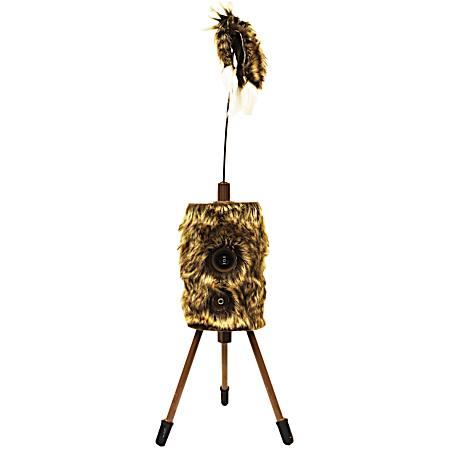
- Motion: Motion decoys, such as spinning-wing or quiver models, add a dynamic element to your spread that can be irresistible to passing animals.
For the Waterfowl Hunter:
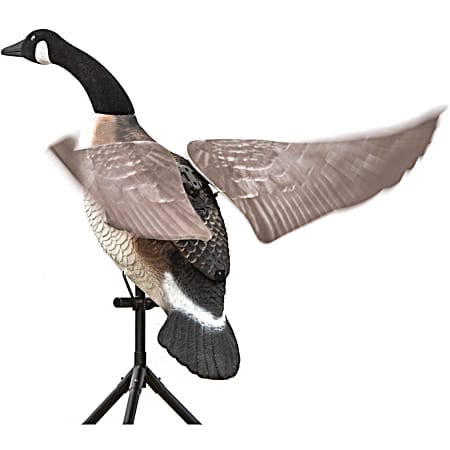
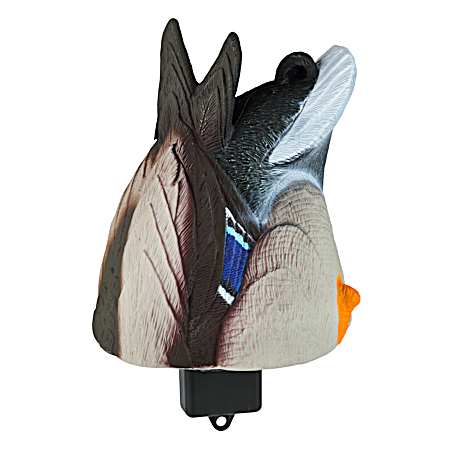
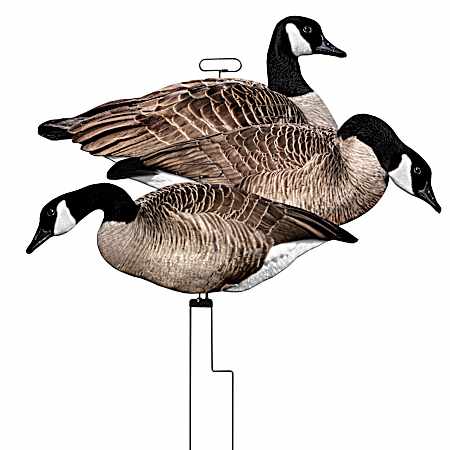
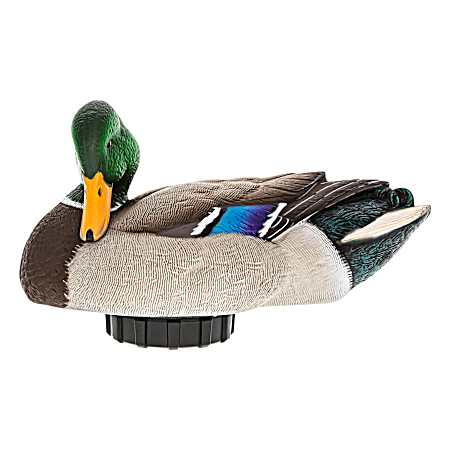
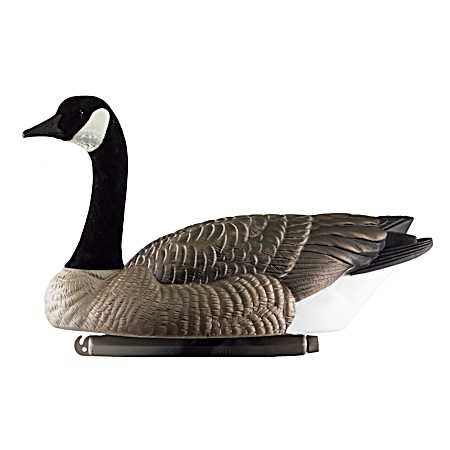
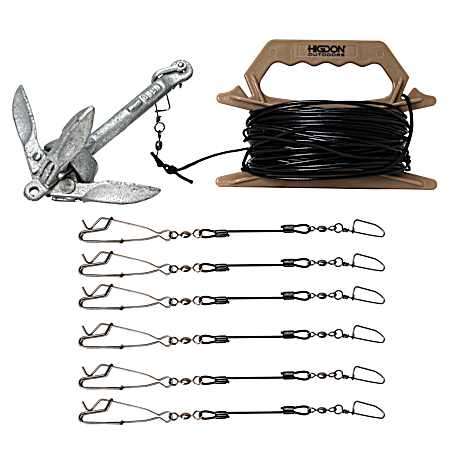
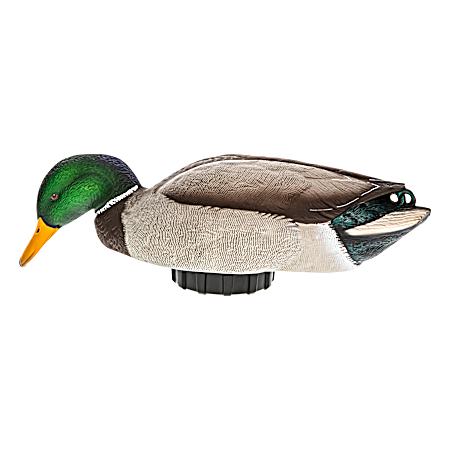
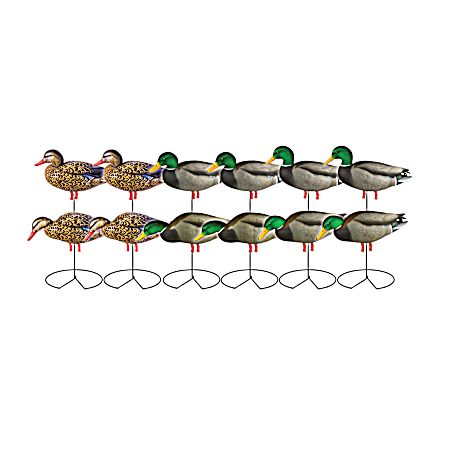
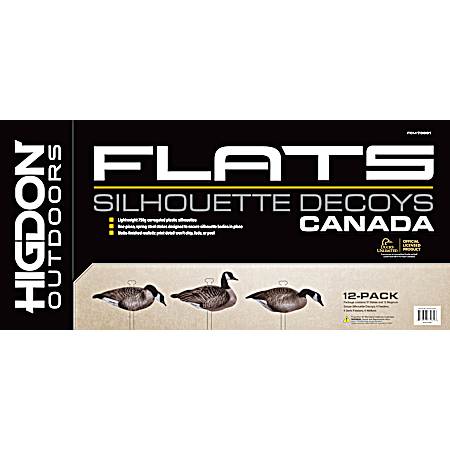
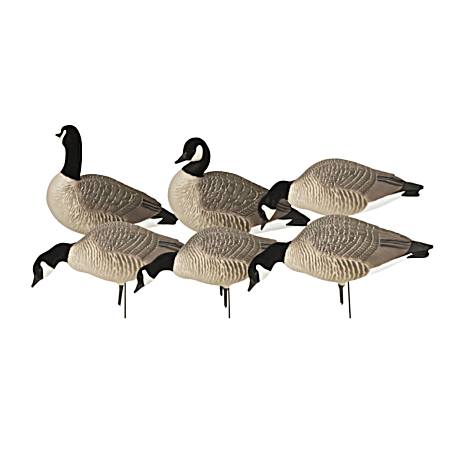
Building an effective waterfowl spread is an art. We offer a wide range of duck and goose decoys to help you create a realistic and enticing spread. Mix and match different postures, such as feeders, sleepers, and swimmers, to create a natural-looking flock. For open water, consider a jerk rig to add motion and realism to your spread.
For the Big Game Hunter:
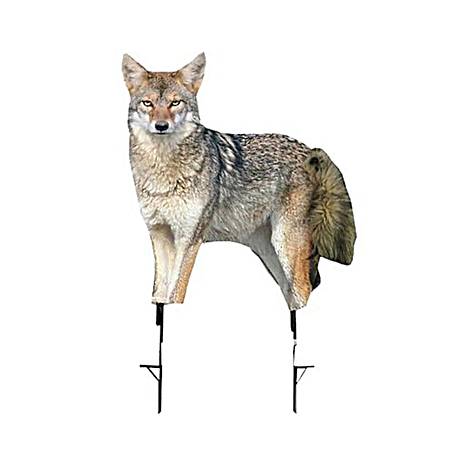
A well-placed deer or antelope decoy can be the difference between a successful stalk and a missed opportunity. Our big game decoys are designed to attract dominant bucks and does during the rut. Use scents and calls to create a multisensory experience that will draw them in close.
For the Turkey Hunter:
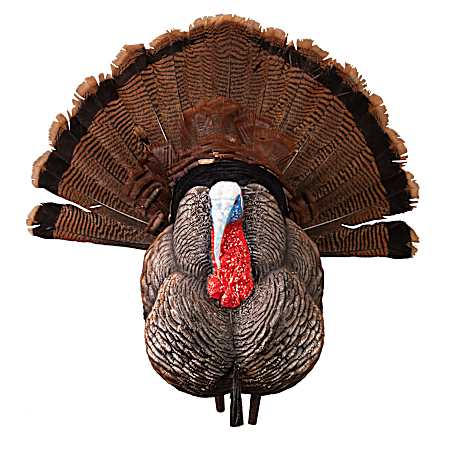
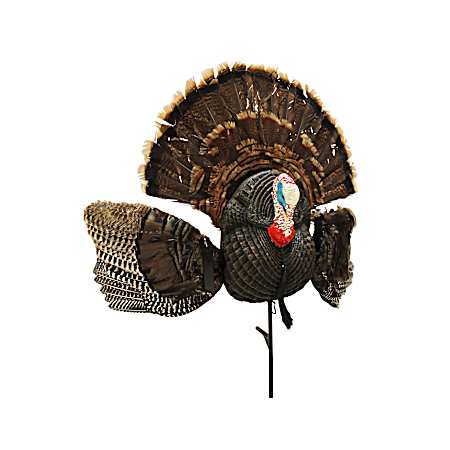
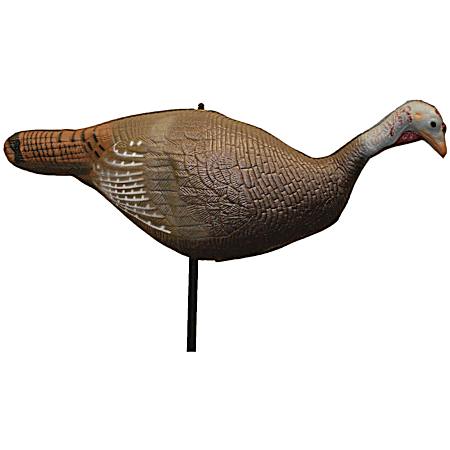
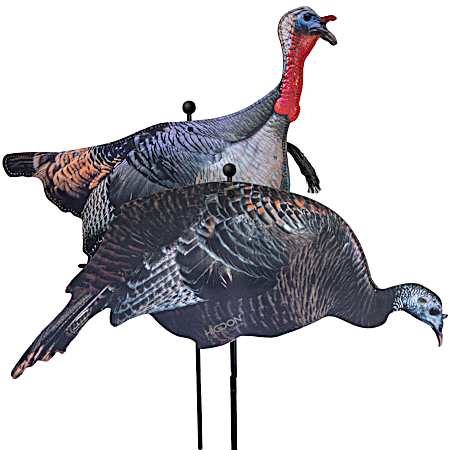
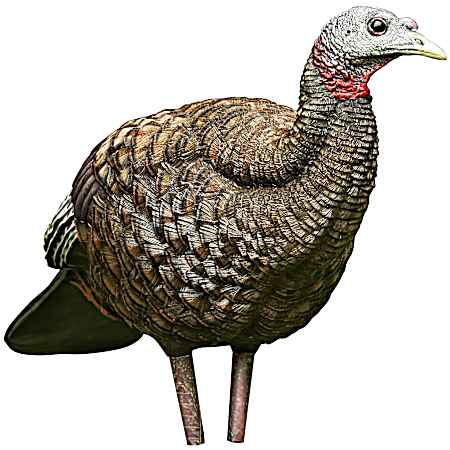
Turkey hunting is a game of deception. Our turkey decoys, including jakes, hens, and gobblers, are designed to challenge dominant toms and bring them into range. Use a combination of decoys to create a realistic flock scene that will have gobblers running in.
Product Guidance
How to Set Up Your Decoy Spread:
The key to a successful decoy spread is to make it look natural. Observe how real animals interact in the wild and try to replicate their behavior. For waterfowl, a "J" or "U" shape spread with a landing zone in the middle is effective. For big game, place your decoy in a visible location where it can be seen from a distance.
Decoy Maintenance and Storage:
Proper care and storage will extend the life of your decoys. Clean your decoys after each use to remove dirt and grime. Store them in a cool, dry place away from direct sunlight to prevent fading and cracking. Use slotted decoy bags to protect your decoys from damage during transport.
What Our Customers Say
"I've been using Fleet Farm decoys for years, and they've never let me down. The realism is incredible, and they're built to last. I recently added a few of the new motorized decoys to my spread, and the results have been amazing." - Mark T., Wisconsin
"As a new hunter, I was a little overwhelmed by all the decoy options. The staff at Fleet Farm were incredibly helpful and pointed me in the right direction. I started with a small spread of mallard decoys and had a successful first season. I'll definitely be back for more." - Sarah P., Minnesota
Frequently Asked Questions
What are the best decoys for duck hunting?
Mallard decoys are the most versatile and will attract a wide variety of duck species. Consider a mix of drakes and hens in different postures for a realistic spread.
How many decoys do I need?
The number of decoys you need depends on your hunting location and the time of year. For small ponds and marshes, a dozen decoys may be enough. For large, open water, you may need several dozen to be effective.
Are motorized decoys worth the investment?
Motorized decoys can be incredibly effective, especially on calm days when there is little natural movement in your spread. The motion they create can attract ducks from a long distance.
How do I choose the right size hunting decoys?
Standard-sized decoys are a good all-around choice. Oversized or magnum decoys can be more visible from a distance and are a good option for large, open water.
Are hunting decoys legal in my state?
Hunting regulations vary by state. It is important to check your local regulations before using any type of decoy. You can usually find this information on your state's Department of Natural Resources website.