


WILD BIRD SEED & FOOD


SHOP ALL WILD BIRD SEED & FOOD
Refinements
Read More +
Wild Bird Seed & Food
Keep Your Backyard Birds Fed Year-Round
Stock up on premium wild bird seed and food at Fleet Farm. From black oil sunflower seeds to specialty nyjer blends, we carry the top brands birders trust—Pennington, Kaytee, Audubon, and Wagner's—at everyday low prices. Whether you're feeding cardinals in winter or goldfinches in summer, we've got the right seed to bring more birds to your yard.
Buying Guide: Choosing the Right Wild Bird Seed
Key Features to Look For
Seed Quality & Freshness
Fresh, high-quality birdseed makes all the difference. Look for clean seed without excessive dust, debris, or filler ingredients like milo that many birds reject. Premium blends contain human-grade ingredients that attract more species and reduce waste at your feeders.
Nutritional Value
Different seeds offer different benefits. Oil-rich seeds like black oil sunflower and nyjer provide essential fats and proteins that fuel birds during migration and harsh winters. Year-round feeding supports nesting, molting, and maintaining healthy plumage.
No Fillers, No Waste
Quality wild bird food skips the cheap fillers. The best blends focus on high-energy seeds that birds actually eat—meaning less mess under your feeders and more value per bag. You'll go through less seed when birds aren't picking through to find what they want.
Types of Wild Bird Seed & Food
Black Oil Sunflower Seeds
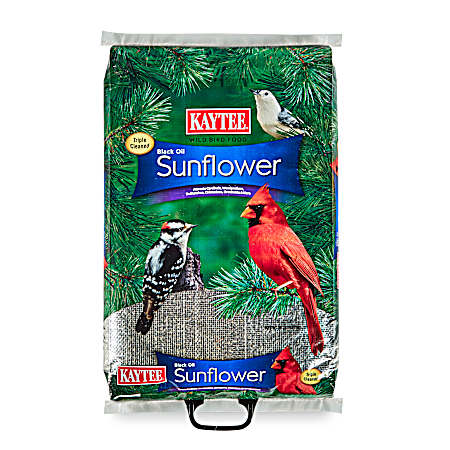
The gold standard for backyard bird feeding. Black oil sunflower seeds have thin shells that are easy for birds to crack and are packed with fat and protein. They attract the widest variety of species including cardinals, chickadees, nuthatches, and woodpeckers. Available in bulk bags for serious birders.
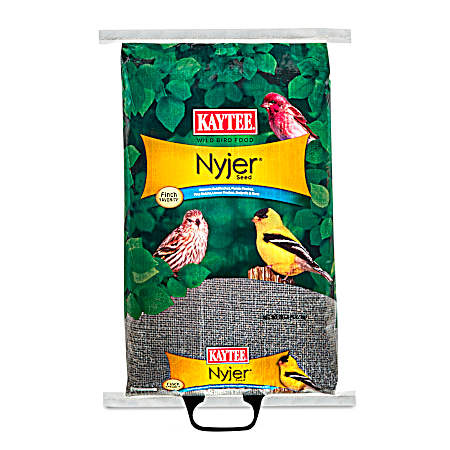
Nyjer Seed (Thistle Seed)
Tiny, oil-rich seeds that goldfinches, siskins, and redpolls can't resist. Nyjer requires specialized tube feeders with small ports but delivers incredible results for attracting these colorful songbirds. Stock up before migration season to catch traveling flocks.
Mixed Seed Blends
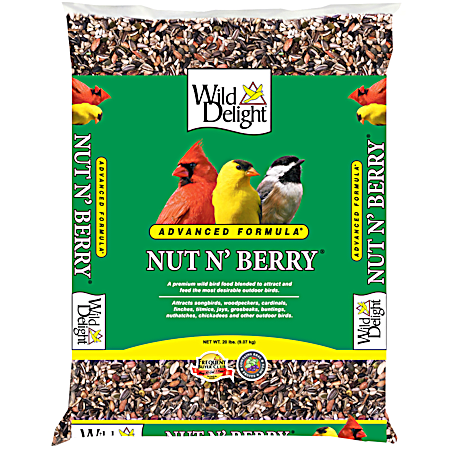
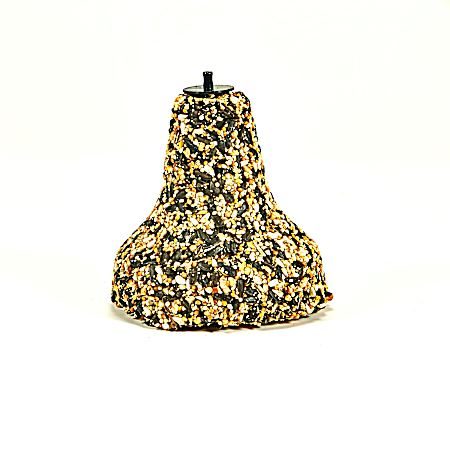
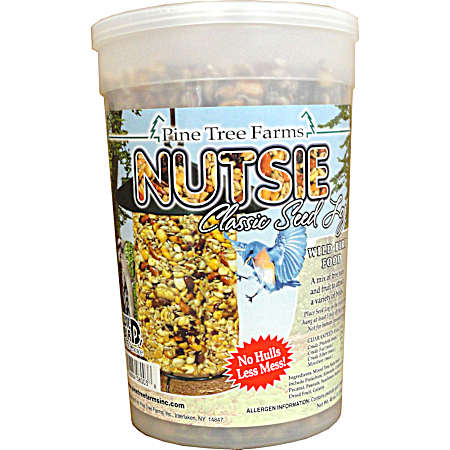
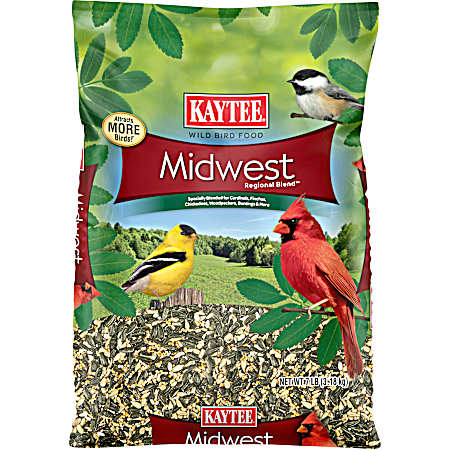
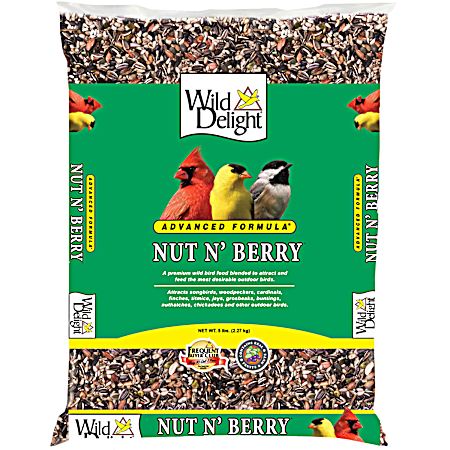
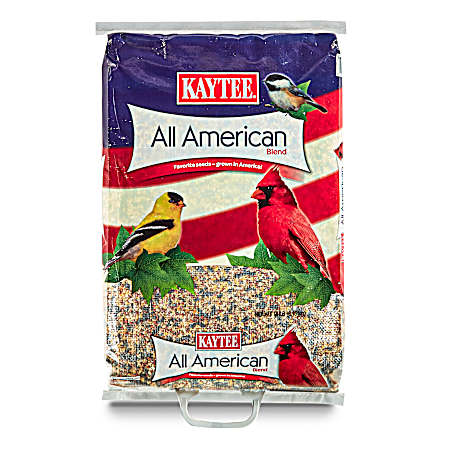
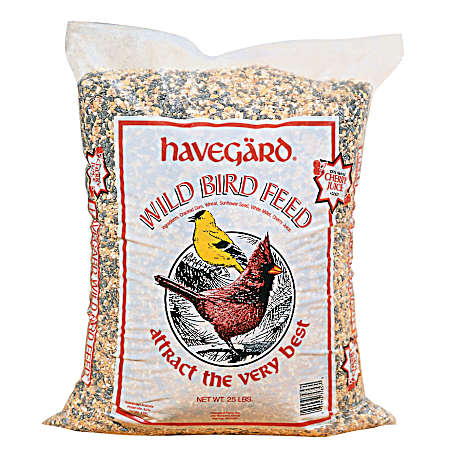
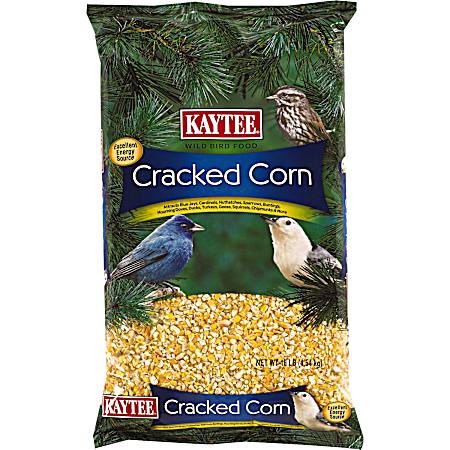
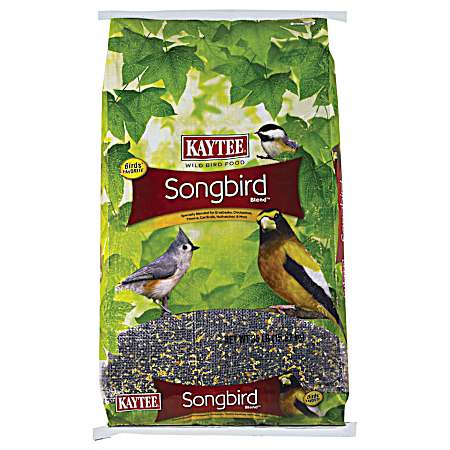
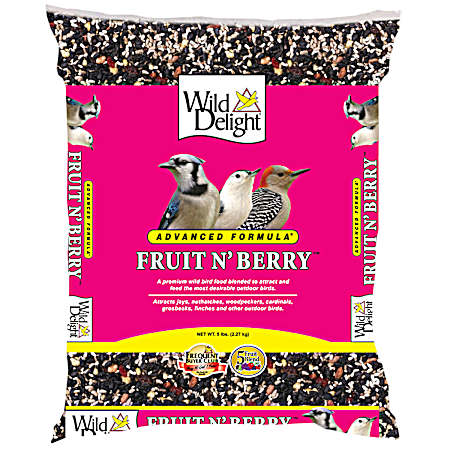
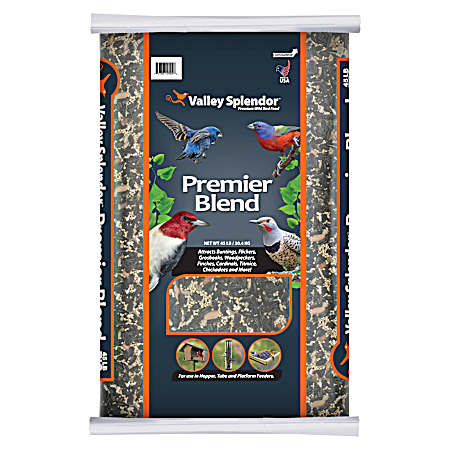
Pre-mixed combinations designed to attract diverse bird populations. Quality blends include sunflower seeds, white millet, safflower, and cracked corn. Choose regional blends formulated for Midwest species to get the best results at your feeders.
Suet Cakes & High-Energy Blocks
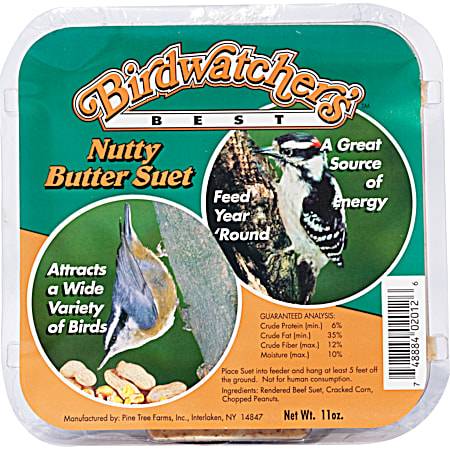
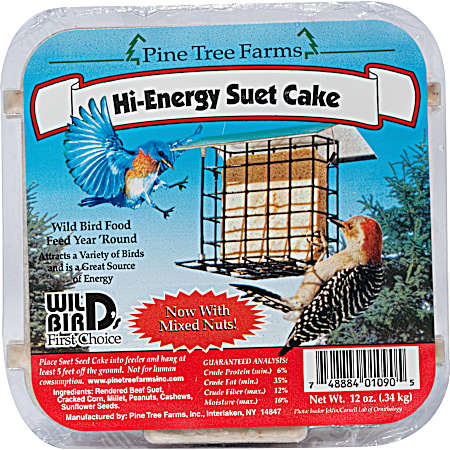
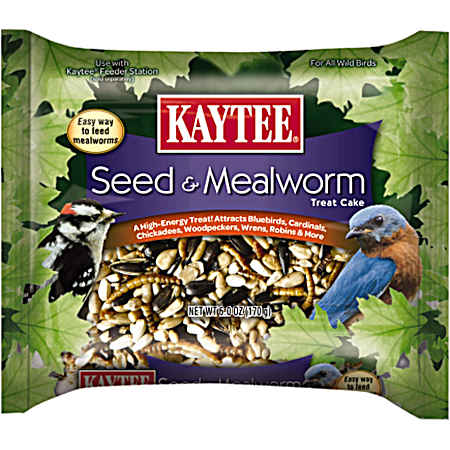
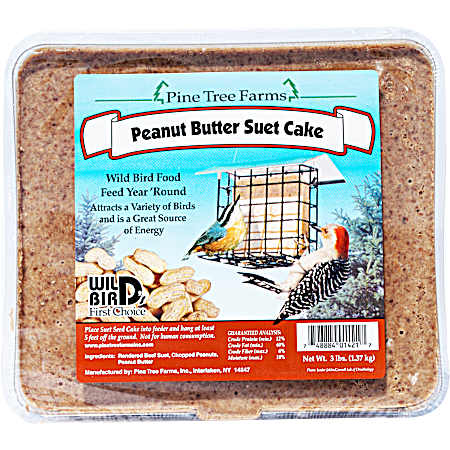
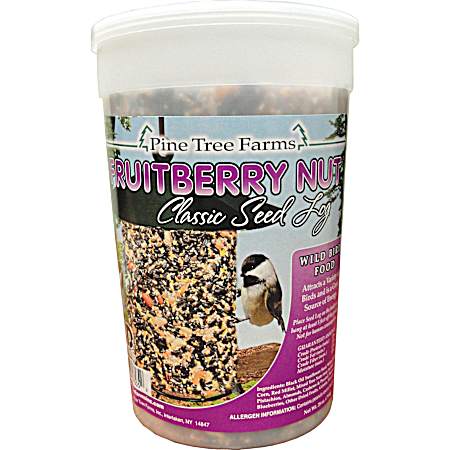
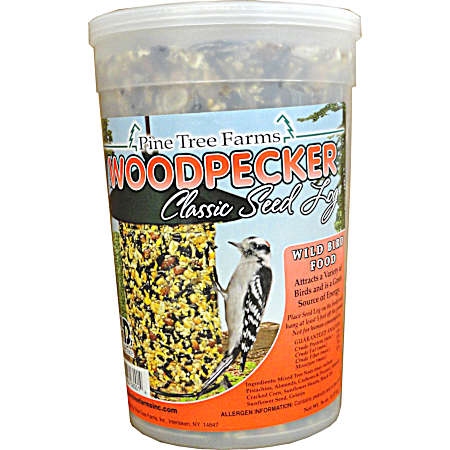
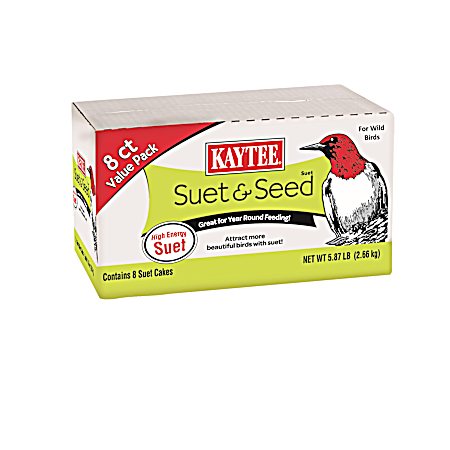
Essential winter food for woodpeckers, nuthatches, and chickadees. Suet provides concentrated calories when insects are scarce. Available in plain, nut, berry, and insect varieties to match different species' preferences.
Specialty Seeds
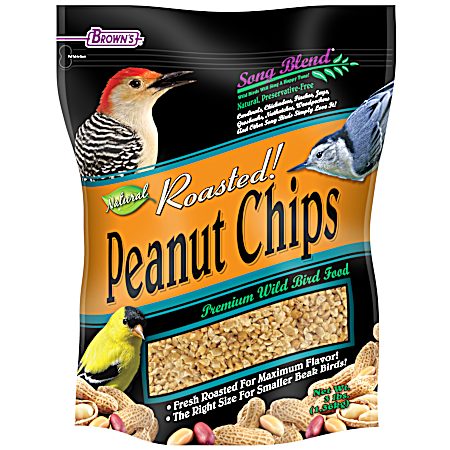
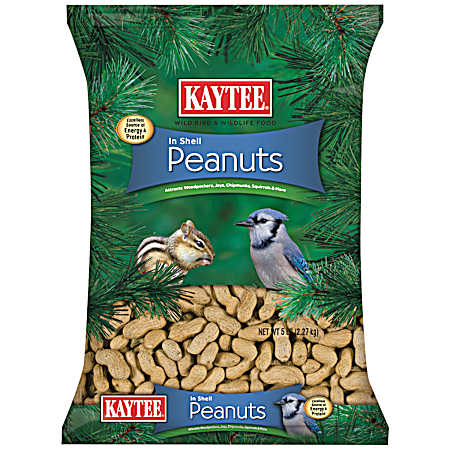
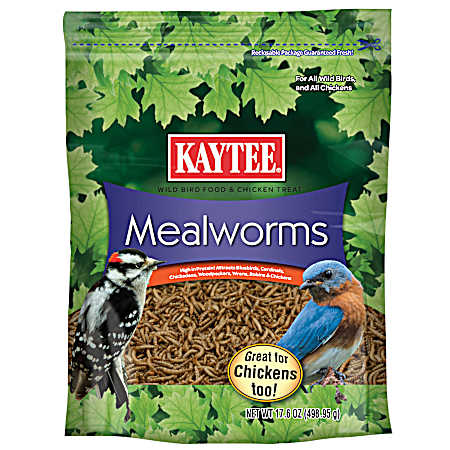
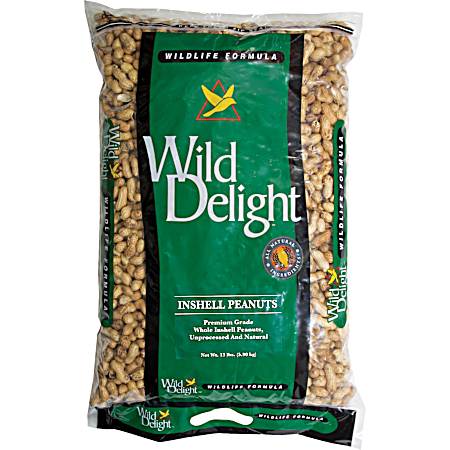
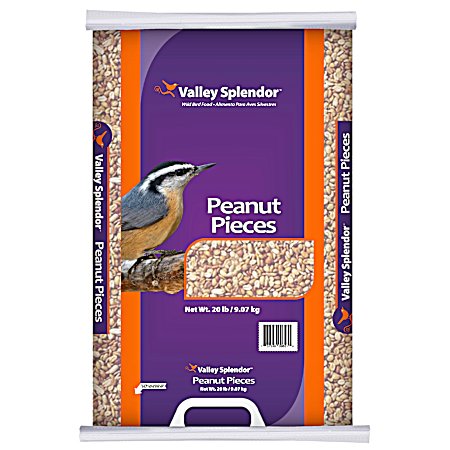
Safflower seeds for cardinals and grosbeaks, peanuts for jays and woodpeckers, and mealworms for bluebirds round out a complete feeding program. Offering variety increases the number of species visiting your yard.
Top Brands Available at Fleet Farm
Pennington
Trusted by birders for decades, Pennington offers scientifically-formulated blends for regional preferences. Their Ultrablend and Select blends minimize waste while maximizing nutrition.
Kaytee
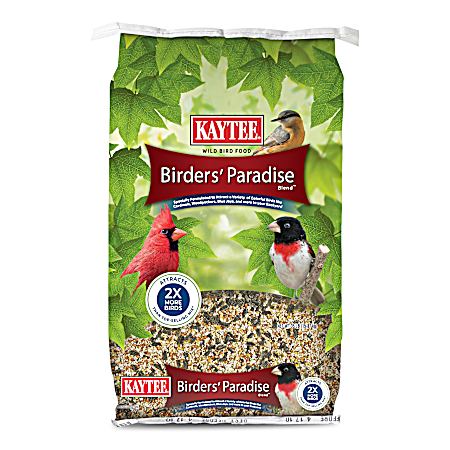
Premium wild bird food with options for every feeder type. Kaytee's clean, high-quality seed attracts more birds and keeps feeders cleaner longer.
Audubon
Quality seed blends backed by the Audubon name. Their mixes are designed to support bird conservation while delivering excellent backyard results.
Wagner's
A Midwest favorite offering great value on classic seed blends and specialty foods. Wagner's bulk bags keep serious birders stocked all season.
Shopping Tips
Calculate Your Needs
Active feeding stations can go through 20-40 pounds of seed per month during peak seasons. Buying in bulk saves money and reduces trips to the store. Store extra seed in metal containers to keep it fresh and rodent-free.
Match Seed to Season
High-fat foods like suet and oil sunflower seeds are essential in winter. Spring and summer feeding supports nesting and fledgling development. Year-round feeding creates reliable habitat that birds return to season after season.
Consider Your Feeders
Tube feeders work best with nyjer and sunflower seeds. Hopper feeders handle mixed blends. Platform feeders accommodate larger birds and ground feeders. Stock the right seed for your feeder setup to reduce waste.
Frequently Asked Questions
What type of wild bird seed attracts the most birds?
Black oil sunflower seeds attract the widest variety of species including cardinals, chickadees, finches, nuthatches, and woodpeckers. For maximum diversity, supplement sunflower with nyjer seed for finches and suet cakes for woodpeckers. Quality mixed blends that avoid cheap fillers like milo also perform well.
How should I store bird seed to keep it fresh?
Store birdseed in a cool, dry location in sealed metal or heavy plastic containers. This prevents moisture, mold, and rodent problems. Keep containers off the ground and away from heat sources. Properly stored seed stays fresh for several months, though it's best to use it within 2-3 months for maximum freshness and appeal.
When is the best time to feed wild birds?
Feed wild birds year-round for the best results. Winter feeding provides critical calories when natural food is scarce. Spring and summer feeding supports nesting and raising young. Fall feeding helps migrants fuel up for their journeys. Consistent feeding trains birds to rely on your feeders, bringing more species to your yard.
How much bird seed will I need?
Usage varies by feeder size, bird traffic, and season. A typical backyard with 2-3 feeders uses 20-30 pounds of seed monthly during peak feeding season (fall through spring). Active feeding stations with heavy traffic may require 40+ pounds monthly. Start with a 20-pound bag and adjust based on how quickly your feeders empty.