


CALLS



SHOP ALL CALLS
Refinements
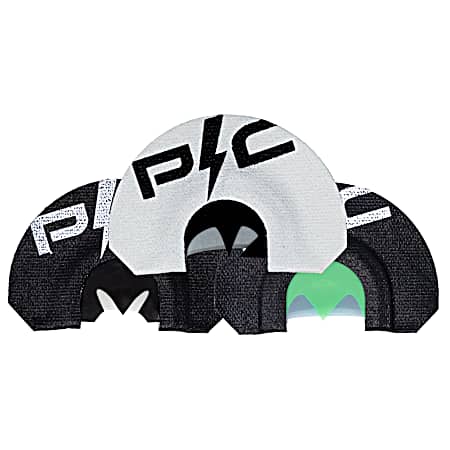
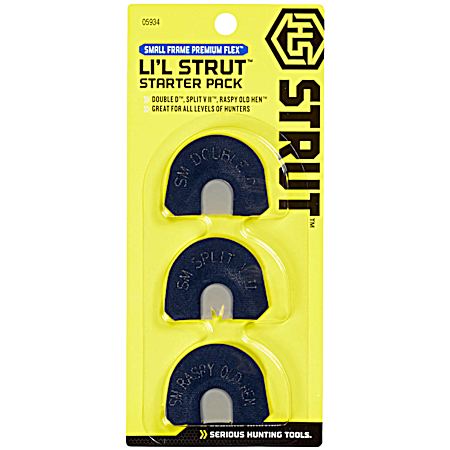
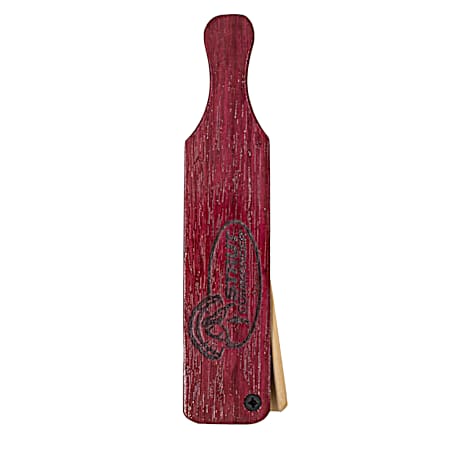
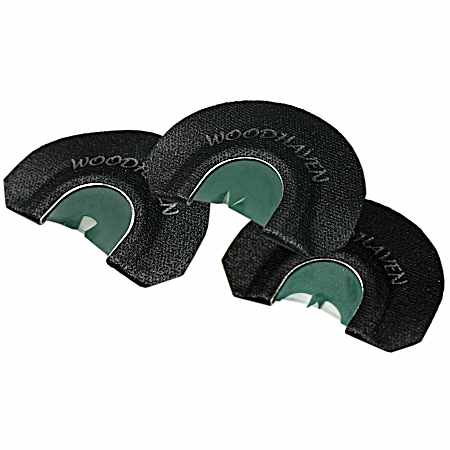


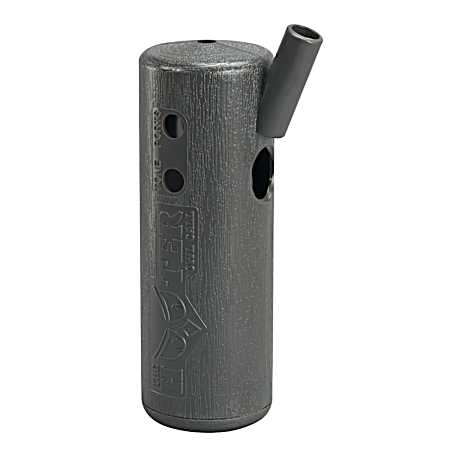

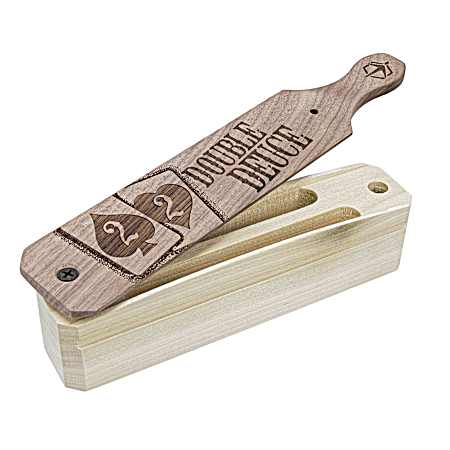
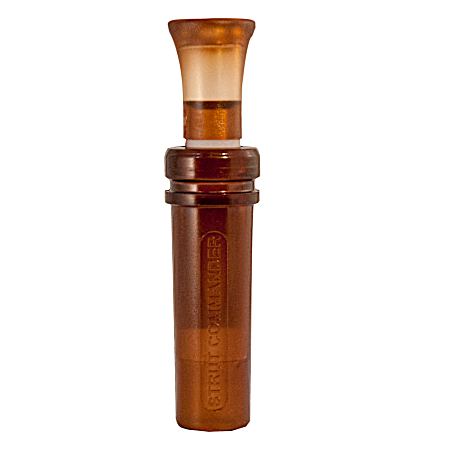
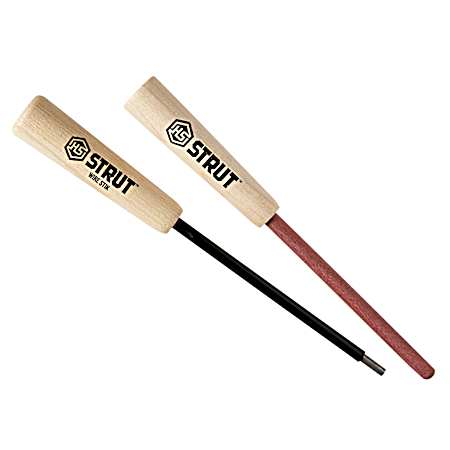
Read More +
Game Calls: Sound Like the Real Thing
A successful hunt often comes down to communication. The right game call in your arsenal is a critical tool that allows you to speak the language of your prey, turning a quiet day in the field into an unforgettable encounter. From the subtle grunts of a whitetail deer to the commanding calls of migrating geese, our selection covers every species and situation. We provide hunters of all skill levels with the tools they need to effectively replicate animal vocalizations, attract game, and increase their chances of a successful harvest.
Choosing the right game call is crucial. Your selection depends on the species you're hunting, the environment, and your personal calling style.
- For Beginners: Start with simple, user-friendly calls like can calls for deer or push-button calls for turkeys. These require minimal practice to produce realistic sounds and build confidence.
- For Technical Experts: Advanced hunters will appreciate the nuanced control of diaphragm (mouth) calls for turkeys or the versatility of programmable electronic callers for predators. These tools allow for a wide range of vocalizations to adapt to any hunting scenario.
What To Look For in a Call
- Realism: The most important factor. The call must accurately reproduce the sounds of the target animal.
- Volume & Range: Consider your hunting environment. Open fields require louder calls than dense woods.
- Durability: Your call needs to withstand harsh weather and rugged use. Look for high-quality materials like durable plastics, woods, and long-lasting reeds.
- Ease of Use: Choose a call that matches your skill level and how much time you can dedicate to practice.
The Deer Hunter: From Grunts to Bleats
Lure in that trophy buck with the right vocalization. Our deer calls cover every phase of the season. Use a grunt tube during the pre-rut to challenge other bucks, a doe bleat to signal an easy opportunity, or a fawn-in-distress call to appeal to a doe’s maternal instinct.
The Waterfowl Specialist: Command the Skies
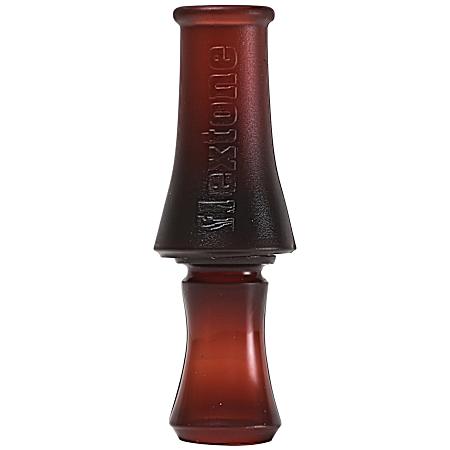
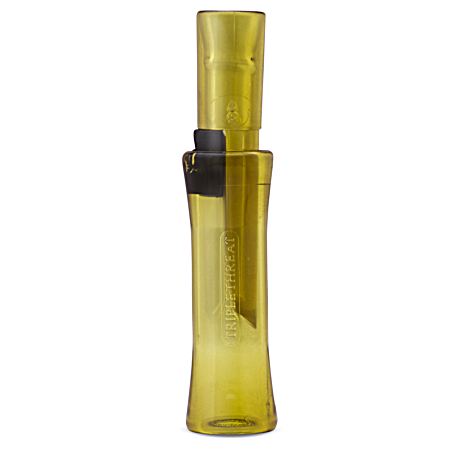
Dominate the marsh with calls designed to bring ducks and geese into your spread. We offer single and double reed duck calls for everything from loud, attention-grabbing hail calls to soft, finishing quacks. Our goose calls produce the deep, resonant honks needed to convince flocks to land.
The Turkey Pro: Talk the Talk
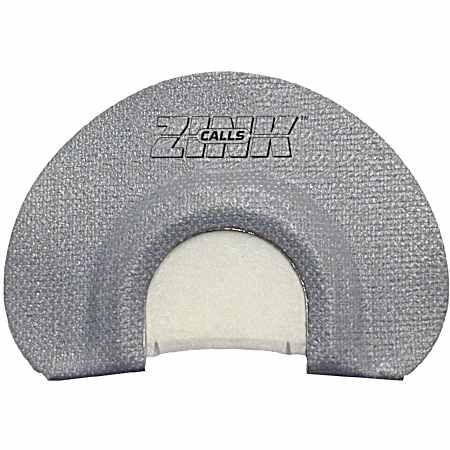
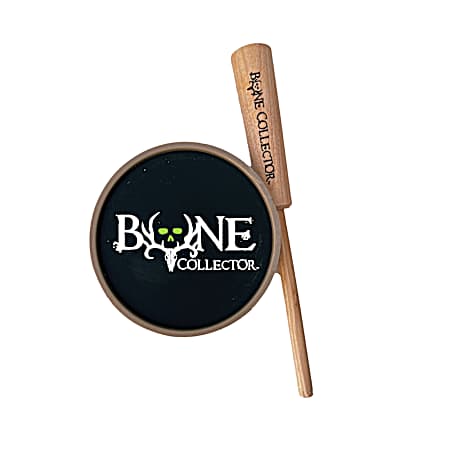
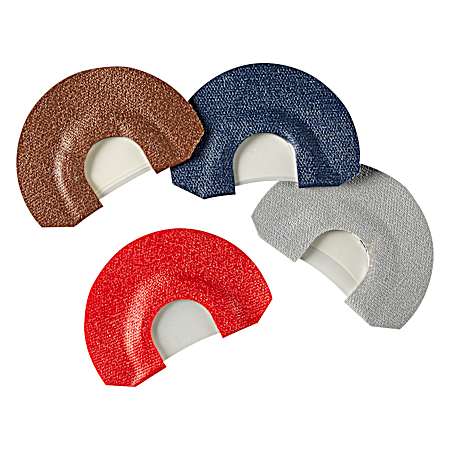
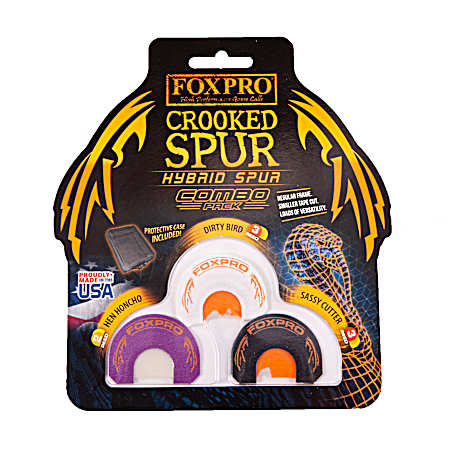
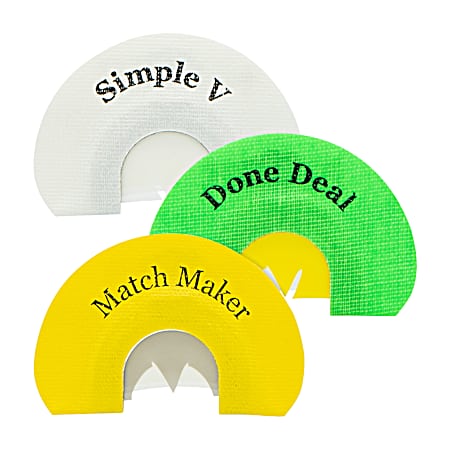
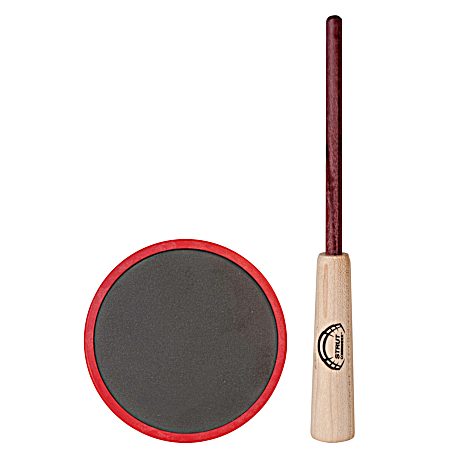
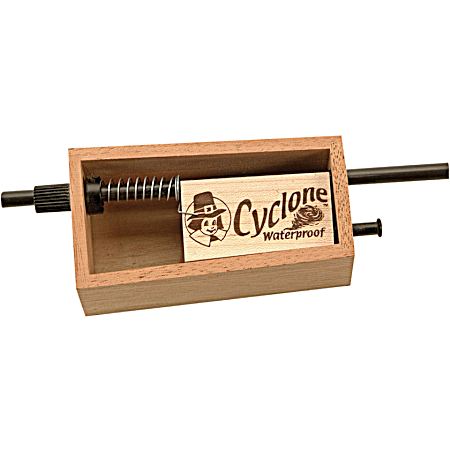
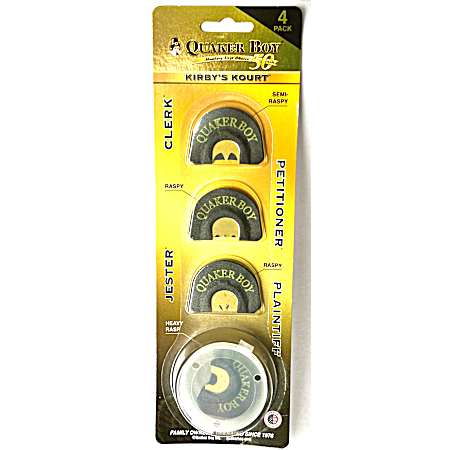
Outsmart a wise old tom with a diverse range of turkey calls. Master the yelps, clucks, and purrs with our selection of slate calls, box calls, and diaphragm calls. Each style offers a unique sound and advantage, allowing you to adapt your strategy on the fly.
The Predator Caller: Appeal to Instinct
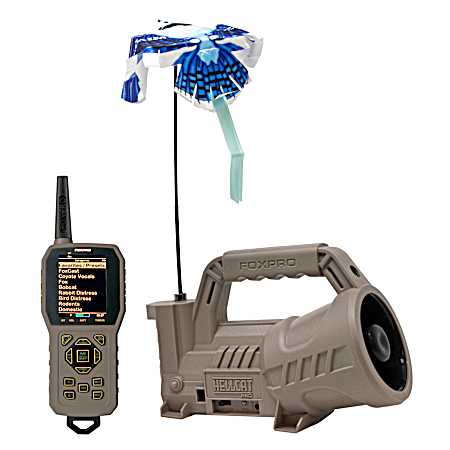
Become the apex predator. Our electronic and hand calls perfectly mimic the sounds of distressed prey, triggering the hunting instinct of coyotes, foxes, and bobcats. Choose from a vast library of sounds on our electronic callers to match the local prey base.
Choosing Your Call
Maintenance and Best Practices
- Keep Them Clean: Regularly clean your calls, especially mouth calls, to prevent bacteria buildup and ensure clear sound. Use warm water and a mild soap, then air dry completely.
- Reed Care: Avoid bending or damaging the reeds in your calls. Store them in a protective case to maintain their shape and responsiveness.
- Practice Makes Perfect: The best hunters practice calling year-round. Listen to recordings of live animals and try to mimic their cadence, tone, and rhythm. Practice in your vehicle or at home to master the sounds before you're in the field.
- Storage: Store your calls in a cool, dry place away from direct sunlight. Extreme temperatures can warp materials and affect the sound quality.
What Our Customers Are Saying
"The Primos 'The Can' call I bought from Fleet Farm worked like a charm. Brought a curious buck right into my shooting lane on opening day. Simple to use and super effective."
"I upgraded to a FOXPRO electronic caller for coyote hunting, and it’s a game-changer. The sound quality is incredible, and the range on the remote is fantastic. Fleet Farm had the best price I could find."
"As a beginner turkey hunter, the slate call recommended by the staff was perfect. After a few YouTube videos and some practice, I was making realistic yelps and purrs. Thanks, Fleet Farm!"
Frequently Asked Questions
What is the difference between a single and double reed duck call?
A single reed call generally offers a wider range of sounds and can produce louder calls, but it requires more skill and air control. A double reed call is more forgiving, easier for beginners to learn, and produces a raspy, realistic duck sound with less effort.
How do I stop my grunt tube from freezing in cold weather?
To prevent your grunt tube from freezing, try to keep it inside your jacket to stay warm. After a calling sequence, be sure to blow any excess moisture out of the call. Some hunters use anti-freeze call solutions, but these should be used sparingly.
Do electronic callers work for deer hunting?
Yes, electronic callers can be effective for deer, especially for sounds that are difficult to replicate manually, like rattling antlers or snort-wheezes. However, many states have regulations regarding the use of electronic calls for deer and other game animals, so always check your local hunting laws before using one.
How long does it take to learn a diaphragm mouth call?
The learning curve varies. Some hunters pick it up in a few days, while others may take a few weeks of consistent practice. The key is to get the proper placement in your mouth and learn to control the airflow from your diaphragm. We recommend watching instructional videos to speed up the process.